
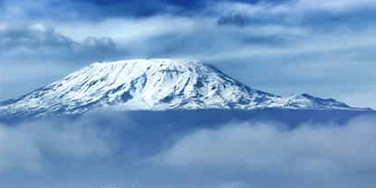
Если вы планируете поездку на гору Килиманджаро, то наверняка заметили, что для описания этого путешествия люди используют слова **«треккинг», «хайкинг» и «восхождение»**.
Так можно ли считать восхождение на Килиманджаро настоящим альпинизмом?
Ответ зависит от того, что вы подразумеваете под скалолазанием.
Для восхождения на Килиманджаро по стандартным туристическим маршрутам не требуются навыки технического альпинизма. Как правило, нет необходимости в использовании веревок, специального скалолазного снаряжения или наличии опыта серьезных восхождений.
Вместо этого восхождение на Килиманджаро — это прежде всего высокогорный треккинг, включающий длительные переходы, крутые подъемы, переменчивую погоду и финальный рывок на высоту 5895 метров (19 341 фут).
В этом руководстве объясняется разница между трекингом и восхождением на Килиманджаро, описывается, как на самом деле проходит это путешествие, и рассказывается, что следует знать новичкам перед бронированием тура.
Восхождение на Килиманджаро — это треккинг или альпинизм?
Технически восхождение на Килиманджаро — это горный подъем, однако стандартные маршруты классифицируются как трекинговые маршруты, не требующие специальной технической подготовки.
Это означает, что обычно вам не требуется:
- Опыт скалолазания
- Навыки лазания по канату
- Опыт ледолазания
- Опыт передвижения по ледникам
- Снаряжение для технического альпинизма
Вместо этого вы следуете по проложенным горным тропам в сопровождении профессиональных гидов.
Впрочем, называть восхождение на Килиманджаро простой прогулкой тоже было бы неверно.
Поэтому этот опыт лучше всего описать как высокогорный поход с восхождением на вершину.
Поэтому этот опыт лучше всего описать как высокогорный поход с восхождением на вершину.
Что на самом деле представляет собой восхождение на Килиманджаро?
Восхождение на Килиманджаро — это многодневное путешествие через различные экологические зоны.
В зависимости от маршрута вы можете проехать через:
- Культивируемые и лесные территории
- Тропический лес
- Вересковая пустошь
- Альпийская пустыня
- Экологические аспекты арктического саммита
Ландшафт кардинально меняется по мере набора высоты.
Вы можете начать свой путь в окружении густой растительности, а в конечном итоге добраться до холодной, каменистой местности у вершины.
Это разнообразие — одна из характерных черт похода на Килиманджаро.
Насколько сложно восхождение на Килиманджаро?
Восхождение на Килиманджаро требует значительных физических усилий, однако его сложность обусловлена не столько технической составляющей альпинизма.
The biggest challenges include:
- Большая высота
- Дни с длительными пешими переходами
- Крутые участки
- Cold temperatures
- Reduced oxygen
- Limited sleep
- Физическая усталость
- Ночь саммита
Your fitness level can help you handle the physical demands, but fitness does not prevent altitude-related problems.
This is why pacing, acclimatization, and choosing an appropriate itinerary are important.
Нужен ли опыт походов в прошлом?
Нет.
Многие люди совершают восхождение на Килиманджаро, не имея предварительного опыта высокогорных походов.
Однако новичкам не следует путать отсутствие опыта с отсутствием необходимости в подготовке.
Вам следует подготовиться к:
- Дни с длительными пешими переходами
- Неровная местность
- Набор высоты
- Холодная погода
- Carrying a daypack
- Several consecutive days of physical activity
Regular walking, hiking, stair training, and cardiovascular exercise can help prepare your body for the trek.

What Is the Difference Between Hiking and Kilimanjaro Trekking?
A normal day hike may last a few hours and allow you to return home the same day.
Kilimanjaro is completely different.
A typical Kilimanjaro itinerary lasts several days.
During this period, you will:
- Walk for multiple hours each day
- Sleep at different elevations
- Carry essential personal equipment
- Adapt to changing weather
- Eat and sleep at mountain camps
- Gradually gain altitude
The summit attempt adds another level of difficulty.
So while the walking itself is non-technical, the overall expedition requires endurance and preparation.
What Makes Kilimanjaro Different From Technical Mountain Climbing?
Technical mountain climbing can involve specialized skills and equipment.
For example:
- Rope systems
- Harnesses
- Ice axes
- Crampons
- Glacier travel
- Rock climbing
- Technical route protection
Standard Kilimanjaro trekking routes generally do not require these techniques.
Instead, the challenge comes from altitude and endurance.
This makes Kilimanjaro accessible to a much wider range of travelers than many technical mountain expeditions.
How Long Does a Kilimanjaro Trek Take?
The duration depends on the route and itinerary.
Common itineraries range from approximately 5 to 9 days, although longer itineraries can also be arranged.
The number of days matters because it affects:
- Daily walking distance
- Набор высоты
- Acclimatization opportunities
- Recovery time
- Overall trekking experience
A very short itinerary may require faster elevation gain, while longer itineraries provide more time to adapt.
When choosing a route, don’t look only at the number of days or the price.
Consider the entire elevation profile.
What Are the Main Kilimanjaro Trekking Routes?
Kilimanjaro has several established routes.
Маршрут Мачаме
Machame is one of the most popular routes and is known for its scenic landscapes and varied terrain.
It is commonly completed in 6 or 7 days.
Маршрут Лемошо
Lemosho approaches the mountain from the west and offers longer itinerary options.
It is known for scenic surroundings and gradual progression toward the upper mountain.
Маршрут Марангу
Marangu is sometimes called the “Coca-Cola Route.”
Unlike most other routes, it uses mountain huts rather than tent camping.
Маршрут Ронгай
Rongai approaches Kilimanjaro from the northern side.
It provides a different perspective of the mountain and is often selected by trekkers looking for a less traditional approach.
Northern Circuit
The Northern Circuit follows a longer route around the mountain.
Its longer itinerary can provide additional time for acclimatization before the summit attempt.
Маршрут Умбве
Умбве известен своим крутым и прямым подъемом.
Because of its rapid elevation gain, it requires careful consideration when selecting an itinerary.
What Is Summit Night Like?
Summit night is the most demanding part of most Kilimanjaro itineraries.
Instead of starting the summit climb in the morning, trekkers usually begin during the night.
The exact start time depends on the route and itinerary.
You may walk through the darkness using a headlamp while temperatures remain extremely cold.
The objective is generally to reach the summit around sunrise.
This means your final ascent can involve several hours of continuous trekking.
What Should Beginners Bring for a Kilimanjaro Trek?
Your exact equipment requirements depend on the route and season, but essential items commonly include:
Clothing
- Moisture-wicking base layers
- Fleece or insulating layer
- Тёплая куртка
- Waterproof jacket
- Trekking trousers
- Тёплые перчатки
- Шляпа
- Hiking socks
Trekking Equipment
- Hiking boots
- Трекинговые палки
- Фара
- Backpack
- Бутылки для воды или питьевая система
- Солнцезащитные очки
- Sun protection
Personal Items
- Personal medication
- Toiletries
- Identification documents
- Camera or phone
- Small personal first-aid supplies
Your trekking operator should provide a detailed packing list before departure.
You don’t need to become a professional athlete.
The goal is to build walking endurance and consistency.
A useful training program can include:
Walking
Regular long walks help your body become accustomed to spending several hours on your feet.
Hills and Stairs
Uphill training can help prepare your legs for elevation gain.
Cardiovascular Exercise
Activities such as cycling, swimming, or running can help improve general endurance.
Strength Training
Focus on your:
- Legs
- Glutes
- Core
- Lower back
Most importantly, increase your training gradually rather than trying to complete very difficult workouts immediately before your trip.
Does Physical Fitness Guarantee a Successful Kilimanjaro Climb?
Нет.
Fitness can help with the physical demands of trekking, but altitude affects people differently.
Someone who is extremely fit can still experience altitude-related symptoms.
Similarly, someone who is not an elite athlete may successfully reach the summit with proper preparation and an appropriate itinerary.
This is why fitness and acclimatization should be treated as separate considerations.
How Important Is the Guide on a Kilimanjaro Trek?
Your guide plays an important role throughout the journey.
A professional guide can help with:
- Route navigation
- Темп треккинга
- Camp routines
- Altitude monitoring
- Safety decisions
- Weather considerations
- Summit preparation
One of the most important things a climber can do is communicate honestly with the guide.
If you’re experiencing symptoms such as headache, nausea, dizziness, unusual fatigue, or difficulty breathing, tell your guide immediately.
What Is the Best Pace for Kilimanjaro?
One of the most common phrases you’ll hear on Kilimanjaro is:
“Pole pole.”
It means “slowly, slowly” in Swahili.
A controlled pace helps conserve energy and allows your body more time to adjust as you climb.
Trying to walk quickly because you’re physically fit can be counterproductive.
The objective is not to finish each day’s trek as quickly as possible.
The objective is to arrive at camp with enough energy for the next day.
Часто задаваемые вопросы
Is Kilimanjaro a hike or a climb?
Can a beginner trek Kilimanjaro?
Do you need climbing experience for Kilimanjaro?
How many days does a Kilimanjaro trek take?
Is Kilimanjaro harder than normal hiking?
Заключение
Kilimanjaro is called a “climb,” but the standard routes are fundamentally different from technical mountaineering expeditions.
You don’t normally need ropes, rock-climbing skills, or previous mountaineering experience.
What you do need is preparation, patience, endurance, appropriate acclimatization, and respect for altitude.
For beginners, the most important decision is not simply whether you are experienced enough to climb Kilimanjaro.
It’s whether you choose the right itinerary and prepare properly for the demands of a high-altitude trek.
With professional guide support and a well-planned route, Kilimanjaro can provide an extraordinary trekking experience from the rainforest all the way to Uhuru Peak, the highest point in Africa.

 English
  Dutch
Dutch  French
  Czech
Czech  Spanish
  German
  Polish
  Italian
  Chinese
  Russian