Se stai pianificando un viaggio sul Kilimangiaro, probabilmente avrai notato che per descrivere l'esperienza si usano i termini “trekking”, “hiking” e “climbing”.
Quindi, scalare il Kilimangiaro è davvero arrampicata?
La risposta dipende da cosa intendi per arrampicata.
Il Monte Kilimangiaro non richiede competenze tecniche di alpinismo lungo i suoi percorsi di trekking standard. In genere, non sono necessari corde, attrezzatura tecnica da arrampicata o una comprovata esperienza alpinistica.
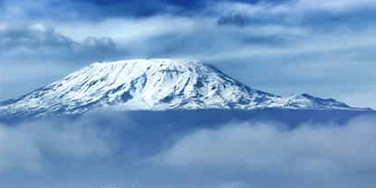
Il Kilimangiaro è invece principalmente un'esperienza di trekking in alta quota che prevede lunghe giornate di cammino, terreni ripidi, condizioni meteorologiche variabili e un'ascesa finale fino a 5.895 metri (19.341 piedi).
Questa guida spiega la differenza tra il trekking e l'arrampicata sul Kilimangiaro, com'è realmente l'esperienza e cosa i principianti dovrebbero sapere prima di prenotare il trekking.
Il trekking sul Kilimangiaro è un'escursione o un'arrampicata?
Tecnicamente la scalata del Kilimangiaro è un'ascensione alpinistica, ma le vie normali sono classificate come percorsi di trekking non tecnici.
Ciò significa che di norma non hai bisogno di:
- Esperienza di arrampicata su roccia
- Abilità di arrampicata su corda
- Esperienza di arrampicata su ghiaccio
- Esperienza di percorrenza su ghiacciaio
- Attrezzatura tecnica da alpinismo
Invece, percorri sentieri di montagna consolidati con il supporto di guide professioniste.
Tuttavia, definire il Kilimangiaro una semplice escursione sarebbe fuorviante.
L'esperienza si può quindi descrivere al meglio come un trekking d'alta quota con ascesa alla vetta.
L'esperienza si può quindi descrivere al meglio come un trekking d'alta quota con ascesa alla vetta.
In cosa consiste realmente il trekking sul Kilimangiaro?
Un trekking sul Kilimangiaro è un viaggio di più giorni attraverso diverse zone ecologiche.
A seconda dell'itinerario, potresti attraversare:
- Aree coltivate e forestali
- Foresta pluviale
- Brughiera
- Deserto alpino
- Ambiente del vertice artico
Il paesaggio cambia drasticamente man mano che si sale di quota.
Potresti iniziare il tuo trekking circondato da una fitta vegetazione e giungere infine in un ambiente freddo e roccioso vicino alla vetta.
Questa varietà è una delle caratteristiche distintive di un trekking sul Kilimangiaro.
Quanto è impegnativo il trekking sul Kilimangiaro?
Il Kilimangiaro è fisicamente impegnativo, ma la sua difficoltà non è legata principalmente ad aspetti tecnici dell'arrampicata.
The biggest challenges include:
- Alta quota
- Lunghe giornate di cammino
- Sezioni ripide
- Cold temperatures
- Reduced oxygen
- Limited sleep
- Stanchezza fisica
- Notte del vertice
Your fitness level can help you handle the physical demands, but fitness does not prevent altitude-related problems.
This is why pacing, acclimatization, and choosing an appropriate itinerary are important.
È necessaria una precedente esperienza di trekking?
NO.
Molte persone scalano il Kilimangiaro senza una precedente esperienza di trekking in alta quota.
Tuttavia, i principianti non dovrebbero confondere l'assenza di esperienza pregressa con l'assenza di preparazione richiesta.
Dovresti prepararti a:
- Lunghe giornate di cammino
- Terreno irregolare
- Dislivello positivo
- Clima freddo
- Carrying a daypack
- Several consecutive days of physical activity
Regular walking, hiking, stair training, and cardiovascular exercise can help prepare your body for the trek.

What Is the Difference Between Hiking and Kilimanjaro Trekking?
A normal day hike may last a few hours and allow you to return home the same day.
Kilimanjaro is completely different.
A typical Kilimanjaro itinerary lasts several days.
During this period, you will:
- Walk for multiple hours each day
- Sleep at different elevations
- Carry essential personal equipment
- Adapt to changing weather
- Eat and sleep at mountain camps
- Gradually gain altitude
The summit attempt adds another level of difficulty.
So while the walking itself is non-technical, the overall expedition requires endurance and preparation.
What Makes Kilimanjaro Different From Technical Mountain Climbing?
Technical mountain climbing can involve specialized skills and equipment.
For example:
- Rope systems
- Harnesses
- Ice axes
- Crampons
- Glacier travel
- Rock climbing
- Technical route protection
Standard Kilimanjaro trekking routes generally do not require these techniques.
Instead, the challenge comes from altitude and endurance.
This makes Kilimanjaro accessible to a much wider range of travelers than many technical mountain expeditions.
How Long Does a Kilimanjaro Trek Take?
The duration depends on the route and itinerary.
Common itineraries range from approximately 5 to 9 days, although longer itineraries can also be arranged.
The number of days matters because it affects:
- Daily walking distance
- Dislivello positivo
- Acclimatization opportunities
- Recovery time
- Overall trekking experience
A very short itinerary may require faster elevation gain, while longer itineraries provide more time to adapt.
When choosing a route, don’t look only at the number of days or the price.
Consider the entire elevation profile.
What Are the Main Kilimanjaro Trekking Routes?
Kilimanjaro has several established routes.
Itinerario Machame
Machame is one of the most popular routes and is known for its scenic landscapes and varied terrain.
It is commonly completed in 6 or 7 days.
Itinerario Lemosho
Lemosho approaches the mountain from the west and offers longer itinerary options.
It is known for scenic surroundings and gradual progression toward the upper mountain.
Itinerario Marangu
Marangu is sometimes called the “Coca-Cola Route.”
Unlike most other routes, it uses mountain huts rather than tent camping.
Itinerario Rongai
Rongai approaches Kilimanjaro from the northern side.
It provides a different perspective of the mountain and is often selected by trekkers looking for a less traditional approach.
Northern Circuit
The Northern Circuit follows a longer route around the mountain.
Its longer itinerary can provide additional time for acclimatization before the summit attempt.
Itinerario dell'Umbwe
Umbwe è noto per la sua ascesa ripida e diretta.
Because of its rapid elevation gain, it requires careful consideration when selecting an itinerary.
What Is Summit Night Like?
Summit night is the most demanding part of most Kilimanjaro itineraries.
Instead of starting the summit climb in the morning, trekkers usually begin during the night.
The exact start time depends on the route and itinerary.
You may walk through the darkness using a headlamp while temperatures remain extremely cold.
The objective is generally to reach the summit around sunrise.
This means your final ascent can involve several hours of continuous trekking.
What Should Beginners Bring for a Kilimanjaro Trek?
Your exact equipment requirements depend on the route and season, but essential items commonly include:
Clothing
- Moisture-wicking base layers
- Fleece or insulating layer
- Giacca calda
- Waterproof jacket
- Trekking trousers
- Guanti caldi
- Cappello
- Hiking socks
Trekking Equipment
- Hiking boots
- Bastoncini da trekking
- Lampada frontale
- Backpack
- Borracce o sistema di idratazione
- Occhiali da sole
- Sun protection
Personal Items
- Personal medication
- Toiletries
- Identification documents
- Camera or phone
- Small personal first-aid supplies
Your trekking operator should provide a detailed packing list before departure.
You don’t need to become a professional athlete.
The goal is to build walking endurance and consistency.
A useful training program can include:
Walking
Regular long walks help your body become accustomed to spending several hours on your feet.
Hills and Stairs
Uphill training can help prepare your legs for elevation gain.
Cardiovascular Exercise
Activities such as cycling, swimming, or running can help improve general endurance.
Strength Training
Focus on your:
- Legs
- Glutes
- Core
- Lower back
Most importantly, increase your training gradually rather than trying to complete very difficult workouts immediately before your trip.
Does Physical Fitness Guarantee a Successful Kilimanjaro Climb?
NO.
Fitness can help with the physical demands of trekking, but altitude affects people differently.
Someone who is extremely fit can still experience altitude-related symptoms.
Similarly, someone who is not an elite athlete may successfully reach the summit with proper preparation and an appropriate itinerary.
This is why fitness and acclimatization should be treated as separate considerations.
How Important Is the Guide on a Kilimanjaro Trek?
Your guide plays an important role throughout the journey.
A professional guide can help with:
- Route navigation
- Ritmo del trekking
- Camp routines
- Altitude monitoring
- Safety decisions
- Weather considerations
- Summit preparation
One of the most important things a climber can do is communicate honestly with the guide.
If you’re experiencing symptoms such as headache, nausea, dizziness, unusual fatigue, or difficulty breathing, tell your guide immediately.
What Is the Best Pace for Kilimanjaro?
One of the most common phrases you’ll hear on Kilimanjaro is:
“Pole pole.”
It means “slowly, slowly” in Swahili.
A controlled pace helps conserve energy and allows your body more time to adjust as you climb.
Trying to walk quickly because you’re physically fit can be counterproductive.
The objective is not to finish each day’s trek as quickly as possible.
The objective is to arrive at camp with enough energy for the next day.
Domande frequenti
Is Kilimanjaro a hike or a climb?
Can a beginner trek Kilimanjaro?
Do you need climbing experience for Kilimanjaro?
How many days does a Kilimanjaro trek take?
Is Kilimanjaro harder than normal hiking?
Considerazioni finali
Kilimanjaro is called a “climb,” but the standard routes are fundamentally different from technical mountaineering expeditions.
You don’t normally need ropes, rock-climbing skills, or previous mountaineering experience.
What you do need is preparation, patience, endurance, appropriate acclimatization, and respect for altitude.
For beginners, the most important decision is not simply whether you are experienced enough to climb Kilimanjaro.
It’s whether you choose the right itinerary and prepare properly for the demands of a high-altitude trek.
With professional guide support and a well-planned route, Kilimanjaro can provide an extraordinary trekking experience from the rainforest all the way to Uhuru Peak, the highest point in Africa.

 English
  Dutch
Dutch  French
  Czech
Czech  Spanish
  German
  Polish
  Italian
  Chinese
  Russian