如果你正在研究前往乞力马扎罗山的行程,可能已经注意到人们使用“徒步”(trekking)、“远足”(hiking)和“攀登”(climbing)这些词汇来描述这一体验。
那么,攀登乞力马扎罗山真的算得上是“攀登”吗?
答案取决于你所说的“攀登”是指什么。
攀登乞力马扎罗山的标准徒步路线无需专业登山技术。通常情况下,无需使用绳索、专业攀岩装备或具备高阶登山经验。
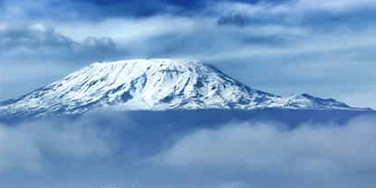
相反,乞力马扎罗之行主要是一次高海拔徒步体验,包含长时间的徒步跋涉、陡峭的地形、多变的天气,以及最终攀登至海拔5,895米(19,341英尺)的顶峰。
本指南阐述了徒步攀登与技术性攀登乞力马扎罗山之间的区别,介绍了实际的攀登体验,并列出了初学者在预订行程前应了解的注意事项。
攀登乞力马扎罗山属于徒步还是登山?
从技术角度看,攀登乞力马扎罗山属于登山活动,但其标准路线被归类为非技术性徒步路线。
这意味着你通常不需要:
- 攀岩体验
- 攀绳技巧
- 攀冰体验
- 冰川行进经验
- 技术登山装备
取而代之的是,您将在专业向导的协助下,沿着既定的山间步道前行。
然而,如果把攀登乞力马扎罗山仅仅称为一次简单的徒步旅行,那也是有误导性的。
因此,这次体验最恰当的描述是**包含登顶环节的高海拔徒步**。
因此,这次体验最恰当的描述是**包含登顶环节的高海拔徒步**。
攀登乞力马扎罗山究竟包含哪些内容?
攀登乞力马扎罗山是一段历时数日、穿越不同生态带的旅程。
根据路线不同,您可能会途经:
- 耕地与林地
- 雨林
- 荒原
- 高山沙漠
- 北极峰会环境
随着海拔升高,地貌发生了巨大的变化。
你的徒步之旅可能始于植被茂密之处,最终抵达山顶附近寒冷多岩石的地带。
这种多样性是乞力马扎罗徒步之旅的标志性特征之一。
攀登乞力马扎罗山有多难?
攀登乞力马扎罗山对体能要求很高,但其难度主要不在于技术性攀爬。
The biggest challenges include:
- 高空
- 需要长时间步行的日子
- 陡峭路段
- Cold temperatures
- Reduced oxygen
- Limited sleep
- 身体疲劳
- 峰会之夜
Your fitness level can help you handle the physical demands, but fitness does not prevent altitude-related problems.
This is why pacing, acclimatization, and choosing an appropriate itinerary are important.
需要有徒步经验吗?
不。
许多人在没有高海拔徒步经验的情况下,就去攀登乞力马扎罗山。
然而,初学者不应将“没有相关经验”与“无需任何准备”混为一谈。
您应做好以下准备:
- 需要长时间步行的日子
- 崎岖地形
- 海拔上升
- 寒冷天气
- Carrying a daypack
- Several consecutive days of physical activity
Regular walking, hiking, stair training, and cardiovascular exercise can help prepare your body for the trek.

What Is the Difference Between Hiking and Kilimanjaro Trekking?
A normal day hike may last a few hours and allow you to return home the same day.
Kilimanjaro is completely different.
A typical Kilimanjaro itinerary lasts several days.
During this period, you will:
- Walk for multiple hours each day
- Sleep at different elevations
- Carry essential personal equipment
- Adapt to changing weather
- Eat and sleep at mountain camps
- Gradually gain altitude
The summit attempt adds another level of difficulty.
So while the walking itself is non-technical, the overall expedition requires endurance and preparation.
What Makes Kilimanjaro Different From Technical Mountain Climbing?
Technical mountain climbing can involve specialized skills and equipment.
For example:
- Rope systems
- Harnesses
- Ice axes
- Crampons
- Glacier travel
- Rock climbing
- Technical route protection
Standard Kilimanjaro trekking routes generally do not require these techniques.
Instead, the challenge comes from altitude and endurance.
This makes Kilimanjaro accessible to a much wider range of travelers than many technical mountain expeditions.
How Long Does a Kilimanjaro Trek Take?
The duration depends on the route and itinerary.
Common itineraries range from approximately 5 to 9 days, although longer itineraries can also be arranged.
The number of days matters because it affects:
- Daily walking distance
- 海拔上升
- Acclimatization opportunities
- Recovery time
- Overall trekking experience
A very short itinerary may require faster elevation gain, while longer itineraries provide more time to adapt.
When choosing a route, don’t look only at the number of days or the price.
Consider the entire elevation profile.
What Are the Main Kilimanjaro Trekking Routes?
Kilimanjaro has several established routes.
马查姆路线
Machame is one of the most popular routes and is known for its scenic landscapes and varied terrain.
It is commonly completed in 6 or 7 days.
莱莫绍路线
Lemosho approaches the mountain from the west and offers longer itinerary options.
It is known for scenic surroundings and gradual progression toward the upper mountain.
马兰古路线
Marangu is sometimes called the “Coca-Cola Route.”
Unlike most other routes, it uses mountain huts rather than tent camping.
荣盖路线
Rongai approaches Kilimanjaro from the northern side.
It provides a different perspective of the mountain and is often selected by trekkers looking for a less traditional approach.
Northern Circuit
The Northern Circuit follows a longer route around the mountain.
Its longer itinerary can provide additional time for acclimatization before the summit attempt.
翁布韦路线
翁布韦(Umbwe)以其陡峭且直接的攀登路线而闻名。
Because of its rapid elevation gain, it requires careful consideration when selecting an itinerary.
What Is Summit Night Like?
Summit night is the most demanding part of most Kilimanjaro itineraries.
Instead of starting the summit climb in the morning, trekkers usually begin during the night.
The exact start time depends on the route and itinerary.
You may walk through the darkness using a headlamp while temperatures remain extremely cold.
The objective is generally to reach the summit around sunrise.
This means your final ascent can involve several hours of continuous trekking.
What Should Beginners Bring for a Kilimanjaro Trek?
Your exact equipment requirements depend on the route and season, but essential items commonly include:
Clothing
- Moisture-wicking base layers
- Fleece or insulating layer
- 保暖夹克
- Waterproof jacket
- Trekking trousers
- 保暖手套
- 帽子
- Hiking socks
Trekking Equipment
- Hiking boots
- 登山杖
- 头灯
- Backpack
- 水壶或饮水系统
- 太阳镜
- Sun protection
Personal Items
- Personal medication
- Toiletries
- Identification documents
- Camera or phone
- Small personal first-aid supplies
Your trekking operator should provide a detailed packing list before departure.
You don’t need to become a professional athlete.
The goal is to build walking endurance and consistency.
A useful training program can include:
Walking
Regular long walks help your body become accustomed to spending several hours on your feet.
Hills and Stairs
Uphill training can help prepare your legs for elevation gain.
Cardiovascular Exercise
Activities such as cycling, swimming, or running can help improve general endurance.
Strength Training
Focus on your:
- Legs
- Glutes
- Core
- Lower back
Most importantly, increase your training gradually rather than trying to complete very difficult workouts immediately before your trip.
Does Physical Fitness Guarantee a Successful Kilimanjaro Climb?
不。
Fitness can help with the physical demands of trekking, but altitude affects people differently.
Someone who is extremely fit can still experience altitude-related symptoms.
Similarly, someone who is not an elite athlete may successfully reach the summit with proper preparation and an appropriate itinerary.
This is why fitness and acclimatization should be treated as separate considerations.
How Important Is the Guide on a Kilimanjaro Trek?
Your guide plays an important role throughout the journey.
A professional guide can help with:
- Route navigation
- 徒步配速
- Camp routines
- Altitude monitoring
- Safety decisions
- Weather considerations
- Summit preparation
One of the most important things a climber can do is communicate honestly with the guide.
If you’re experiencing symptoms such as headache, nausea, dizziness, unusual fatigue, or difficulty breathing, tell your guide immediately.
What Is the Best Pace for Kilimanjaro?
One of the most common phrases you’ll hear on Kilimanjaro is:
“Pole pole.”
It means “slowly, slowly” in Swahili.
A controlled pace helps conserve energy and allows your body more time to adjust as you climb.
Trying to walk quickly because you’re physically fit can be counterproductive.
The objective is not to finish each day’s trek as quickly as possible.
The objective is to arrive at camp with enough energy for the next day.
常见问题解答
Is Kilimanjaro a hike or a climb?
Can a beginner trek Kilimanjaro?
Do you need climbing experience for Kilimanjaro?
How many days does a Kilimanjaro trek take?
Is Kilimanjaro harder than normal hiking?
结语
Kilimanjaro is called a “climb,” but the standard routes are fundamentally different from technical mountaineering expeditions.
You don’t normally need ropes, rock-climbing skills, or previous mountaineering experience.
What you do need is preparation, patience, endurance, appropriate acclimatization, and respect for altitude.
For beginners, the most important decision is not simply whether you are experienced enough to climb Kilimanjaro.
It’s whether you choose the right itinerary and prepare properly for the demands of a high-altitude trek.
With professional guide support and a well-planned route, Kilimanjaro can provide an extraordinary trekking experience from the rainforest all the way to Uhuru Peak, the highest point in Africa.

 English
  Dutch
Dutch  French
  Czech
Czech  Spanish
  German
  Polish
  Italian
  Chinese
  Russian