
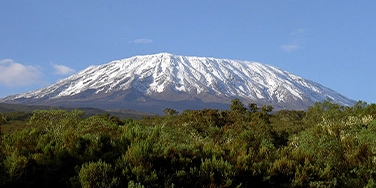
Для восхождения на вершину Килиманджаро недостаточно просто забронировать тур и приехать в Танзанию.
Хорошая подготовка может существенно повлиять на ваш комфорт, уверенность в себе и способность справиться с физическими нагрузками во время высокогорного похода.
Хорошая новость заключается в том, что для восхождения на Килиманджаро по стандартным трекинговым маршрутам не требуются навыки технического альпинизма. Однако вам следует подготовиться к длительным переходам, переменчивой погоде, холоду, воздействию высоты и психологическим трудностям, сопутствующим решающему рывку к вершине в ночное время.
В этом контрольном списке по подготовке к восхождению на Килиманджаро перечислены все необходимые действия перед походом: от физической подготовки и подбора снаряжения до оформления документов, вопросов гидратации, питания, информации о высотной адаптации и финальных организационных моментов.
Что нужно сделать перед восхождением на Килиманджаро?
Перед поездкой в Танзанию следует подготовиться по нескольким ключевым направлениям:
- Развивайте выносливость в ходьбе
- Подготовьтесь к нескольким дням трекинга подряд.
- Выберите подходящую одежду и снаряжение.
- Check your travel documents
- Поймите сложности, связанные с высотой
- Спланируйте питьевой режим и питание.
- Обсудите медицинские аспекты с медицинским специалистом.
- Разносите свою походную обувь
- Ознакомьтесь со своим маршрутом
- Мысленно подготовьтесь к штурмовой ночи.
Предварительная подготовка этих аспектов позволяет сосредоточиться на самом походе, а не на решении проблем, которых можно было бы избежать, уже находясь на горе.
1. Начните регулярно ходить пешком перед походом.
Чтобы подняться на Килиманджаро, не нужно быть спортсменом элитного уровня.
Однако вам должно быть комфортно ходить пешком по несколько часов подряд.
Ваша подготовка должна наращиваться постепенно:
- Выносливость при ходьбе
- Сила ног
- Сердечно-сосудистая выносливость
- Баланс
- Общая выносливость
Регулярная ходьба, пешие походы, подъемы по лестнице, езда на велосипеде или аналогичные аэробные нагрузки могут способствовать вашей подготовке.
Самый важный принцип — регулярность, а не экстремальные тренировки.
2. Prepare for Consecutive Days of Trekking
One of the biggest differences between a normal hike and Kilimanjaro is that you will usually be walking for multiple consecutive days.
You may feel reasonably comfortable after one long hike but become tired after several days.
Before your trek, gradually introduce longer walks into your routine.
Where possible, practice walking on:
- Hills
- Uneven trails
- Stairs
- Long-distance paths
If you have access to hiking trails, weekend hikes can be particularly useful because they help you understand how your body responds to extended activity.
3. Practice Walking Slowly
Kilimanjaro guides commonly encourage a slow trekking pace.
You may hear the phrase:
“Pole pole.”
It means “slowly, slowly” in Swahili.
A slower pace can help you conserve energy and manage the physical demands of climbing at altitude.
Do not feel pressured to walk quickly simply because you are physically capable of doing so at lower elevations.
Kilimanjaro is not a race.
4. Break In Your Hiking Boots
One of the simplest but most important preparation steps is breaking in your footwear before arriving in Tanzania.
Never make your first serious hike in a brand-new pair of boots.
Your footwear should be:
- Comfortable
- Properly fitted
- Suitable for uneven terrain
- Compatible with your hiking socks
- Tested before the trek
Wear your boots during training walks so you can identify potential problems before your climb.
Blisters that appear during training are much easier to deal with than blisters that appear on the mountain.
5. Build a Proper Kilimanjaro Clothing System
Kilimanjaro passes through several climate zones.
You can begin the trek in relatively warm conditions and eventually reach freezing temperatures near the summit.
Instead of relying on one extremely thick jacket, a layering system is generally more practical.
Your clothing system may include:
Базовый слой
Helps manage moisture and maintain comfort.
Mid Layer
Provides insulation as temperatures decrease.
Внешний слой
Protects against wind and rain.
Warm Summit Layer
A suitable insulated jacket is important for the cold conditions experienced during the summit attempt.
You should also prepare:
- Тёплые перчатки
- Шляпа
- Sun hat
- Hiking socks
- Waterproof clothing
- Comfortable trekking trousers
- Warm layers
6. Prepare Your Kilimanjaro Gear Before Traveling
Do not wait until you arrive in Tanzania to discover that an important piece of equipment is missing.
Prepare your equipment in advance and test it before departure.
A basic equipment checklist can include:
- Hiking boots
- Backpack
- Waterproof jacket
- Warm insulated jacket
- Базовые слои
- Trekking trousers
- Перчатки
- Шляпа
- Фара
- Бутылки для воды или питьевая система
- Солнцезащитные очки
- Sunscreen
- Personal toiletries
- Sleeping equipment according to your operator’s arrangements
- Personal medication
Your trekking operator should provide you with a complete equipment list before your trip.
7. Understand Kilimanjaro's Altitude
Kilimanjaro reaches 5,895 meters (19,341 feet) at Uhuru Peak.
Altitude is therefore one of the most important aspects of preparation.
You should understand that physical fitness does not completely protect someone from altitude-related illness.
A person can be very fit and still experience altitude symptoms.
Before your trek, learn:
- What altitude sickness is
- Common symptoms
- Why gradual ascent matters
- When to tell your guide about symptoms
- Why descending may be necessary
Most importantly, never hide symptoms from your guide because you are worried about missing the summit.
Safety should always come first.
8. Choose an Appropriate Itinerary
The number of days you spend on Kilimanjaro matters.
Shorter itineraries can involve faster elevation gain, while longer itineraries can provide more time for your body to adjust.
When selecting your trek, consider:
- Маршрут
- Количество дней
- Elevation profile
- Previous trekking experience
- Fitness level
- Personal comfort with altitude
Do not select an itinerary purely because it is the cheapest or shortest option.
A properly planned trek should balance time, acclimatization, physical demands, and personal goals.
9. Prepare Your Hydration Strategy
Staying hydrated is important during trekking.
You should have an appropriate system for carrying and drinking water throughout the day.
Your guide or operator can advise you about the amount of water you should carry and how water will be supplied during your trek.
Do not wait until you are extremely thirsty before drinking.
At the same time, avoid forcing excessive amounts of water beyond what is appropriate for your individual needs.
10. Practice Eating During Long Hikes
Some trekkers experience reduced appetite at altitude.
This can make nutrition challenging, particularly during longer trekking days.
Before your climb, discover which foods and snacks work well for you.
Consider practicing with:
- Энергетические батончики
- Орехи
- Dried fruit
- Crackers
- Шоколад
- Other easy-to-carry snacks
Your trekking operator will normally provide meals during the trek, but having familiar snacks can be useful.
14. Prepare Mentally for Summit Night
Summit night is different from a normal trekking day.
You will typically start climbing during the night and continue toward Uhuru Peak in cold and dark conditions.
You should expect:
- Very early departure
- Cold temperatures
- Slow progress
- Крутая местность
- Reduced oxygen
- Физическая усталость
- A long trekking day
Mental preparation matters.
There may be moments when progress feels slow. Staying patient and following your guide’s pace can help you manage the experience.
Kilimanjaro Pre-Trek Checklist
Use this checklist during the final weeks before your departure.
Physical Preparation
- Regular walking/hiking
- Long-distance walks
- Hill or stair training
- Practice consecutive walking days
- Break in hiking boots
Оборудование
- Hiking boots
- Backpack
- Waterproof jacket
- Тёплая куртка
- Базовые слои
- Перчатки
- Шляпа
- Фара
- Water system
- Солнцезащитные очки
- Sunscreen
- Personal medication
Travel
- Паспорт
- Visa requirements checked
- Страхование путешествий
- Flight confirmation
- Airport transfer
- Trek confirmation
- Контакты для экстренной связи
Health & Altitude
- Understand altitude sickness
- Discuss relevant medical concerns with a professional
- Understand the importance of gradual ascent
- Know when to report symptoms
- Follow your guide’s instructions
How Long Before Kilimanjaro Should You Start Preparing?
There is no single preparation timeline that works for everyone.
Your preparation period should depend on your existing fitness, hiking experience, age, and the itinerary you plan to undertake.
Someone who already hikes regularly may need less preparation than someone who is currently inactive.
The key is to start early enough to build endurance gradually rather than trying to complete intense training immediately before departure.

 English
  Dutch
Dutch  French
  Czech
Czech  Spanish
  German
  Polish
  Italian
  Chinese
  Russian