
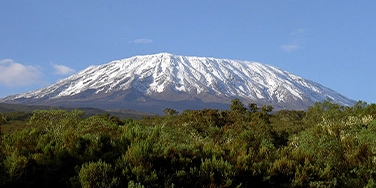
攀登乞力马扎罗山顶峰,需要的不仅仅是预订一次徒步行程并抵达坦桑尼亚。
充分的准备能显著提升你的舒适度与自信心,并增强你应对高海拔徒步过程中身体挑战的能力。
好消息是,攀登乞力马扎罗山的标准徒步路线**无需专业登山技术**。不过,你需要做好充分准备,以应对长时间徒步、多变的天气、低温环境、高海拔挑战,以及冲顶之夜带来的心理考验。
这份乞力马扎罗登山准备清单涵盖了您在徒步前应做的各项准备工作,包括体能训练、装备准备、证件、水分补充、营养摄入、高原适应知识以及最终的行程安排。
攀登乞力马扎罗山之前应该做些什么?
在前往坦桑尼亚之前,您应在几个关键方面做好准备:
- 增强步行耐力
- 为连续数日的徒步做好准备
- 选择合适的服装和装备
- 检查您的旅行证件
- 了解海拔带来的挑战
- 规划您的补水与营养摄入
- 与医疗专业人员探讨相关的医疗考量。
- 磨合你的徒步鞋
- 了解您的行程
- 为冲顶之夜做好心理准备
提前做好这些方面的准备,能让你专注于徒步本身,而不必在登山途中去解决那些本可避免的问题。
1. 在徒步旅行前,开始规律地步行。
攀登乞力马扎罗山并不需要你成为一名精英运动员。
不过,你应该能够适应连续步行数小时。
你的准备工作应循序渐进:
- 步行耐力
- 腿部力量
- 心肺适能
- 平衡
- 综合耐力
经常进行步行、徒步、爬楼梯、骑行或类似的有氧运动,都有助于你的准备工作。
最重要的原则是保持连贯性,而非进行极端的训练。
2. Prepare for Consecutive Days of Trekking
One of the biggest differences between a normal hike and Kilimanjaro is that you will usually be walking for multiple consecutive days.
You may feel reasonably comfortable after one long hike but become tired after several days.
Before your trek, gradually introduce longer walks into your routine.
Where possible, practice walking on:
- Hills
- Uneven trails
- Stairs
- Long-distance paths
If you have access to hiking trails, weekend hikes can be particularly useful because they help you understand how your body responds to extended activity.
3. Practice Walking Slowly
Kilimanjaro guides commonly encourage a slow trekking pace.
You may hear the phrase:
“Pole pole.”
It means “slowly, slowly” in Swahili.
A slower pace can help you conserve energy and manage the physical demands of climbing at altitude.
Do not feel pressured to walk quickly simply because you are physically capable of doing so at lower elevations.
Kilimanjaro is not a race.
4. Break In Your Hiking Boots
One of the simplest but most important preparation steps is breaking in your footwear before arriving in Tanzania.
Never make your first serious hike in a brand-new pair of boots.
Your footwear should be:
- Comfortable
- Properly fitted
- Suitable for uneven terrain
- Compatible with your hiking socks
- Tested before the trek
Wear your boots during training walks so you can identify potential problems before your climb.
Blisters that appear during training are much easier to deal with than blisters that appear on the mountain.
5. Build a Proper Kilimanjaro Clothing System
Kilimanjaro passes through several climate zones.
You can begin the trek in relatively warm conditions and eventually reach freezing temperatures near the summit.
Instead of relying on one extremely thick jacket, a layering system is generally more practical.
Your clothing system may include:
基础层
Helps manage moisture and maintain comfort.
Mid Layer
Provides insulation as temperatures decrease.
外层
Protects against wind and rain.
Warm Summit Layer
A suitable insulated jacket is important for the cold conditions experienced during the summit attempt.
You should also prepare:
- 保暖手套
- 帽子
- Sun hat
- Hiking socks
- Waterproof clothing
- Comfortable trekking trousers
- Warm layers
6. Prepare Your Kilimanjaro Gear Before Traveling
Do not wait until you arrive in Tanzania to discover that an important piece of equipment is missing.
Prepare your equipment in advance and test it before departure.
A basic equipment checklist can include:
- Hiking boots
- Backpack
- Waterproof jacket
- Warm insulated jacket
- 基础层
- Trekking trousers
- 手套
- 帽子
- 头灯
- 水壶或饮水系统
- 太阳镜
- Sunscreen
- Personal toiletries
- Sleeping equipment according to your operator’s arrangements
- Personal medication
Your trekking operator should provide you with a complete equipment list before your trip.
7. Understand Kilimanjaro's Altitude
Kilimanjaro reaches 5,895 meters (19,341 feet) at Uhuru Peak.
Altitude is therefore one of the most important aspects of preparation.
You should understand that physical fitness does not completely protect someone from altitude-related illness.
A person can be very fit and still experience altitude symptoms.
Before your trek, learn:
- What altitude sickness is
- Common symptoms
- Why gradual ascent matters
- When to tell your guide about symptoms
- Why descending may be necessary
Most importantly, never hide symptoms from your guide because you are worried about missing the summit.
Safety should always come first.
8. Choose an Appropriate Itinerary
The number of days you spend on Kilimanjaro matters.
Shorter itineraries can involve faster elevation gain, while longer itineraries can provide more time for your body to adjust.
When selecting your trek, consider:
- 路线
- 天数
- Elevation profile
- Previous trekking experience
- Fitness level
- Personal comfort with altitude
Do not select an itinerary purely because it is the cheapest or shortest option.
A properly planned trek should balance time, acclimatization, physical demands, and personal goals.
9. Prepare Your Hydration Strategy
Staying hydrated is important during trekking.
You should have an appropriate system for carrying and drinking water throughout the day.
Your guide or operator can advise you about the amount of water you should carry and how water will be supplied during your trek.
Do not wait until you are extremely thirsty before drinking.
At the same time, avoid forcing excessive amounts of water beyond what is appropriate for your individual needs.
10. Practice Eating During Long Hikes
Some trekkers experience reduced appetite at altitude.
This can make nutrition challenging, particularly during longer trekking days.
Before your climb, discover which foods and snacks work well for you.
Consider practicing with:
- 能量棒
- 坚果
- Dried fruit
- Crackers
- 巧克力
- Other easy-to-carry snacks
Your trekking operator will normally provide meals during the trek, but having familiar snacks can be useful.
14. Prepare Mentally for Summit Night
Summit night is different from a normal trekking day.
You will typically start climbing during the night and continue toward Uhuru Peak in cold and dark conditions.
You should expect:
- Very early departure
- Cold temperatures
- Slow progress
- 地形陡峭
- Reduced oxygen
- 身体疲劳
- A long trekking day
Mental preparation matters.
There may be moments when progress feels slow. Staying patient and following your guide’s pace can help you manage the experience.
Kilimanjaro Pre-Trek Checklist
Use this checklist during the final weeks before your departure.
Physical Preparation
- Regular walking/hiking
- Long-distance walks
- Hill or stair training
- Practice consecutive walking days
- Break in hiking boots
设备
- Hiking boots
- Backpack
- Waterproof jacket
- 保暖夹克
- 基础层
- 手套
- 帽子
- 头灯
- Water system
- 太阳镜
- Sunscreen
- Personal medication
Travel
- 护照
- Visa requirements checked
- 旅行保险
- Flight confirmation
- Airport transfer
- Trek confirmation
- 紧急联系人
Health & Altitude
- Understand altitude sickness
- Discuss relevant medical concerns with a professional
- Understand the importance of gradual ascent
- Know when to report symptoms
- Follow your guide’s instructions
How Long Before Kilimanjaro Should You Start Preparing?
There is no single preparation timeline that works for everyone.
Your preparation period should depend on your existing fitness, hiking experience, age, and the itinerary you plan to undertake.
Someone who already hikes regularly may need less preparation than someone who is currently inactive.
The key is to start early enough to build endurance gradually rather than trying to complete intense training immediately before departure.

 English
  Dutch
Dutch  French
  Czech
Czech  Spanish
  German
  Polish
  Italian
  Chinese
  Russian