
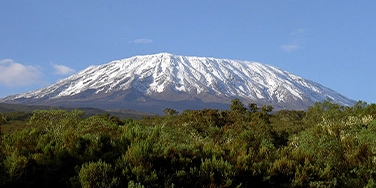
Dosažení vrcholu Kilimandžára vyžaduje víc než jen rezervaci výstupu a příjezd do Tanzanie.
Dobrá příprava může mít zásadní vliv na vaše pohodlí, sebedůvěru i schopnost zvládnout fyzickou náročnost vysokohorského treku.
Dobrou zprávou je, že výstup na Kilimandžáro po standardních trekových trasách nevyžaduje technické horolezecké dovednosti. Měli byste však být připraveni na dlouhé dny chůze, proměnlivé počasí, nízké teploty, nadmořskou výšku i na psychickou náročnost závěrečného výstupu na vrchol.
Tento kontrolní seznam pro přípravu na výstup na Kilimandžáro zahrnuje vše, co byste měli před výpravou zajistit – od fyzické přípravy a vybavení až po doklady, hydrataci, stravování, znalosti o pobytu ve vysoké nadmořské výšce a závěrečné cestovní náležitosti.
Co byste měli udělat před výstupem na Kilimandžáro?
Před cestou do Tanzanie byste se měli připravit v několika klíčových oblastech:
- Budujte svou vytrvalost při chůzi.
- Připravte se na několikadenní trek.
- Zvolte vhodné oblečení a vybavení.
- Zkontrolujte si cestovní doklady.
- Pochopte výškovou výzvu
- Naplánujte si hydrataci a výživu.
- Prodiskutujte zdravotní aspekty se zdravotnickým pracovníkem.
- Rozchoďte si turistickou obuv
- Seznamte se se svým itinerářem
- Mentálně se připravte na noc výstupu na vrchol.
Příprava těchto oblastí předem vám umožní soustředit se na samotný trek, místo abyste museli řešit zbytečné problémy až přímo na hoře.
1. Před túrou začněte pravidelně chodit.
Abyste mohli vystoupat na Kilimandžáro, nemusíte být špičkovým sportovcem.
Měli byste však zvládat chůzi trvající několik hodin v kuse.
Vaše příprava by měla postupně gradovat:
- Vytrvalost při chůzi
- Síla nohou
- Kardiovaskulární zdatnost
- Váhy
- Celková vytrvalost
K vaší přípravě může přispět pravidelná chůze, pěší turistika, chůze po schodech, jízda na kole či podobné aerobní aktivity.
Nejdůležitějším principem je pravidelnost, nikoli extrémní tréninkové lekce.
2. Prepare for Consecutive Days of Trekking
One of the biggest differences between a normal hike and Kilimanjaro is that you will usually be walking for multiple consecutive days.
You may feel reasonably comfortable after one long hike but become tired after several days.
Before your trek, gradually introduce longer walks into your routine.
Where possible, practice walking on:
- Hills
- Uneven trails
- Stairs
- Long-distance paths
If you have access to hiking trails, weekend hikes can be particularly useful because they help you understand how your body responds to extended activity.
3. Practice Walking Slowly
Kilimanjaro guides commonly encourage a slow trekking pace.
You may hear the phrase:
“Pole pole.”
It means “slowly, slowly” in Swahili.
A slower pace can help you conserve energy and manage the physical demands of climbing at altitude.
Do not feel pressured to walk quickly simply because you are physically capable of doing so at lower elevations.
Kilimanjaro is not a race.
4. Break In Your Hiking Boots
One of the simplest but most important preparation steps is breaking in your footwear before arriving in Tanzania.
Never make your first serious hike in a brand-new pair of boots.
Your footwear should be:
- Comfortable
- Properly fitted
- Suitable for uneven terrain
- Compatible with your hiking socks
- Tested before the trek
Wear your boots during training walks so you can identify potential problems before your climb.
Blisters that appear during training are much easier to deal with than blisters that appear on the mountain.
5. Build a Proper Kilimanjaro Clothing System
Kilimanjaro passes through several climate zones.
You can begin the trek in relatively warm conditions and eventually reach freezing temperatures near the summit.
Instead of relying on one extremely thick jacket, a layering system is generally more practical.
Your clothing system may include:
Základní vrstva
Helps manage moisture and maintain comfort.
Mid Layer
Provides insulation as temperatures decrease.
Vnější vrstva
Protects against wind and rain.
Warm Summit Layer
A suitable insulated jacket is important for the cold conditions experienced during the summit attempt.
You should also prepare:
- Teplé rukavice
- Čepice
- Sun hat
- Hiking socks
- Waterproof clothing
- Comfortable trekking trousers
- Warm layers
6. Prepare Your Kilimanjaro Gear Before Traveling
Do not wait until you arrive in Tanzania to discover that an important piece of equipment is missing.
Prepare your equipment in advance and test it before departure.
A basic equipment checklist can include:
- Hiking boots
- Backpack
- Waterproof jacket
- Warm insulated jacket
- Základní vrstvy
- Trekking trousers
- Rukavice
- Čepice
- Čelovka
- Láhve na vodu nebo hydratační systém
- Sluneční brýle
- Sunscreen
- Personal toiletries
- Sleeping equipment according to your operator’s arrangements
- Personal medication
Your trekking operator should provide you with a complete equipment list before your trip.
7. Understand Kilimanjaro's Altitude
Kilimanjaro reaches 5,895 meters (19,341 feet) at Uhuru Peak.
Altitude is therefore one of the most important aspects of preparation.
You should understand that physical fitness does not completely protect someone from altitude-related illness.
A person can be very fit and still experience altitude symptoms.
Before your trek, learn:
- What altitude sickness is
- Common symptoms
- Why gradual ascent matters
- When to tell your guide about symptoms
- Why descending may be necessary
Most importantly, never hide symptoms from your guide because you are worried about missing the summit.
Safety should always come first.
8. Choose an Appropriate Itinerary
The number of days you spend on Kilimanjaro matters.
Shorter itineraries can involve faster elevation gain, while longer itineraries can provide more time for your body to adjust.
When selecting your trek, consider:
- Trasa
- Počet dní
- Elevation profile
- Previous trekking experience
- Fitness level
- Personal comfort with altitude
Do not select an itinerary purely because it is the cheapest or shortest option.
A properly planned trek should balance time, acclimatization, physical demands, and personal goals.
9. Prepare Your Hydration Strategy
Staying hydrated is important during trekking.
You should have an appropriate system for carrying and drinking water throughout the day.
Your guide or operator can advise you about the amount of water you should carry and how water will be supplied during your trek.
Do not wait until you are extremely thirsty before drinking.
At the same time, avoid forcing excessive amounts of water beyond what is appropriate for your individual needs.
10. Practice Eating During Long Hikes
Some trekkers experience reduced appetite at altitude.
This can make nutrition challenging, particularly during longer trekking days.
Before your climb, discover which foods and snacks work well for you.
Consider practicing with:
- Energetické tyčinky
- Ořechy
- Dried fruit
- Crackers
- Čokoláda
- Other easy-to-carry snacks
Your trekking operator will normally provide meals during the trek, but having familiar snacks can be useful.
14. Prepare Mentally for Summit Night
Summit night is different from a normal trekking day.
You will typically start climbing during the night and continue toward Uhuru Peak in cold and dark conditions.
You should expect:
- Very early departure
- Cold temperatures
- Slow progress
- Strmý terén
- Reduced oxygen
- Fyzická únava
- A long trekking day
Mental preparation matters.
There may be moments when progress feels slow. Staying patient and following your guide’s pace can help you manage the experience.
Kilimanjaro Pre-Trek Checklist
Use this checklist during the final weeks before your departure.
Physical Preparation
- Regular walking/hiking
- Long-distance walks
- Hill or stair training
- Practice consecutive walking days
- Break in hiking boots
Zařízení
- Hiking boots
- Backpack
- Waterproof jacket
- Teplá bunda
- Základní vrstvy
- Rukavice
- Čepice
- Čelovka
- Water system
- Sluneční brýle
- Sunscreen
- Personal medication
Travel
- Pas
- Visa requirements checked
- Cestovní pojištění
- Flight confirmation
- Airport transfer
- Trek confirmation
- Kontakty pro případ nouze
Health & Altitude
- Understand altitude sickness
- Discuss relevant medical concerns with a professional
- Understand the importance of gradual ascent
- Know when to report symptoms
- Follow your guide’s instructions
How Long Before Kilimanjaro Should You Start Preparing?
There is no single preparation timeline that works for everyone.
Your preparation period should depend on your existing fitness, hiking experience, age, and the itinerary you plan to undertake.
Someone who already hikes regularly may need less preparation than someone who is currently inactive.
The key is to start early enough to build endurance gradually rather than trying to complete intense training immediately before departure.

 English
  Dutch
Dutch  French
  Czech
Czech  Spanish
  German
  Polish
  Italian
  Chinese
  Russian