
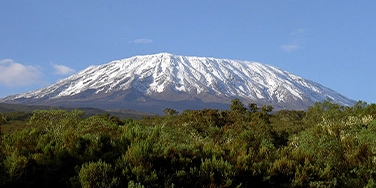
Alcanzar la cima del monte Kilimanjaro requiere más que simplemente reservar una expedición y llegar a Tanzania.
Una buena preparación puede marcar una diferencia significativa en tu comodidad, confianza y capacidad para afrontar las exigencias físicas de una travesía a gran altitud.
La buena noticia es que el Kilimanjaro no requiere habilidades técnicas de montañismo en sus rutas de senderismo habituales. Sin embargo, debes llegar preparado para largas jornadas de caminata, condiciones meteorológicas cambiantes, temperaturas frías, la altitud y el desafío mental que supone la noche de ascenso a la cima.
Esta lista de preparación para el Kilimanjaro abarca lo que debes hacer antes de la expedición: desde la preparación física y el equipo hasta la documentación, la hidratación, la nutrición, la concienciación sobre la altitud y los preparativos finales del viaje.
¿Qué debes hacer antes de escalar el Kilimanjaro?
Antes de viajar a Tanzania, debes prepararte en varios aspectos clave:
- Aumenta tu resistencia al caminar.
- Prepárate para días consecutivos de senderismo.
- Elija la ropa y el equipo adecuados.
- Revise sus documentos de viaje.
- Comprende el desafío de la altitud
- Planifica tu hidratación y nutrición.
- Consulte las consideraciones médicas con un profesional de la salud.
- Domar el calzado de senderismo
- Entiende tu itinerario
- Prepárate mentalmente para la noche de cumbre.
Preparar estas áreas con antelación te permite centrarte en la travesía en lugar de tener que resolver problemas evitables una vez que estés en la montaña.
1. Empieza a caminar con regularidad antes de tu travesía.
No necesitas convertirte en un atleta de élite para escalar el Kilimanjaro.
Sin embargo, deberías sentirte cómodo caminando durante varias horas seguidas.
Tu preparación debe intensificarse gradualmente:
- Resistencia al caminar
- fuerza de las piernas
- Condición física cardiovascular
- Balance
- Resistencia general
Caminar con regularidad, el senderismo, subir escaleras, el ciclismo o actividades aeróbicas similares pueden contribuir a tu preparación.
El principio más importante es la constancia, más que las sesiones de entrenamiento extremas.
2. Prepare for Consecutive Days of Trekking
One of the biggest differences between a normal hike and Kilimanjaro is that you will usually be walking for multiple consecutive days.
You may feel reasonably comfortable after one long hike but become tired after several days.
Before your trek, gradually introduce longer walks into your routine.
Where possible, practice walking on:
- Hills
- Uneven trails
- Stairs
- Long-distance paths
If you have access to hiking trails, weekend hikes can be particularly useful because they help you understand how your body responds to extended activity.
3. Practice Walking Slowly
Kilimanjaro guides commonly encourage a slow trekking pace.
You may hear the phrase:
“Pole pole.”
It means “slowly, slowly” in Swahili.
A slower pace can help you conserve energy and manage the physical demands of climbing at altitude.
Do not feel pressured to walk quickly simply because you are physically capable of doing so at lower elevations.
Kilimanjaro is not a race.
4. Break In Your Hiking Boots
One of the simplest but most important preparation steps is breaking in your footwear before arriving in Tanzania.
Never make your first serious hike in a brand-new pair of boots.
Your footwear should be:
- Comfortable
- Properly fitted
- Suitable for uneven terrain
- Compatible with your hiking socks
- Tested before the trek
Wear your boots during training walks so you can identify potential problems before your climb.
Blisters that appear during training are much easier to deal with than blisters that appear on the mountain.
5. Build a Proper Kilimanjaro Clothing System
Kilimanjaro passes through several climate zones.
You can begin the trek in relatively warm conditions and eventually reach freezing temperatures near the summit.
Instead of relying on one extremely thick jacket, a layering system is generally more practical.
Your clothing system may include:
Capa base
Helps manage moisture and maintain comfort.
Mid Layer
Provides insulation as temperatures decrease.
Capa exterior
Protects against wind and rain.
Warm Summit Layer
A suitable insulated jacket is important for the cold conditions experienced during the summit attempt.
You should also prepare:
- Guantes cálidos
- Sombrero
- Sun hat
- Hiking socks
- Waterproof clothing
- Comfortable trekking trousers
- Warm layers
6. Prepare Your Kilimanjaro Gear Before Traveling
Do not wait until you arrive in Tanzania to discover that an important piece of equipment is missing.
Prepare your equipment in advance and test it before departure.
A basic equipment checklist can include:
- Hiking boots
- Backpack
- Waterproof jacket
- Warm insulated jacket
- Capas base
- Trekking trousers
- Guantes
- Sombrero
- Lámpara de cabeza
- Gafas de sol
- Gafas de sol
- Sunscreen
- Personal toiletries
- Sleeping equipment according to your operator’s arrangements
- Personal medication
Your trekking operator should provide you with a complete equipment list before your trip.
7. Understand Kilimanjaro's Altitude
Kilimanjaro reaches 5,895 meters (19,341 feet) at Uhuru Peak.
Altitude is therefore one of the most important aspects of preparation.
You should understand that physical fitness does not completely protect someone from altitude-related illness.
A person can be very fit and still experience altitude symptoms.
Before your trek, learn:
- What altitude sickness is
- Common symptoms
- Why gradual ascent matters
- When to tell your guide about symptoms
- Why descending may be necessary
Most importantly, never hide symptoms from your guide because you are worried about missing the summit.
Safety should always come first.
8. Choose an Appropriate Itinerary
The number of days you spend on Kilimanjaro matters.
Shorter itineraries can involve faster elevation gain, while longer itineraries can provide more time for your body to adjust.
When selecting your trek, consider:
- Ruta
- Número de días
- Elevation profile
- Previous trekking experience
- Fitness level
- Personal comfort with altitude
Do not select an itinerary purely because it is the cheapest or shortest option.
A properly planned trek should balance time, acclimatization, physical demands, and personal goals.
9. Prepare Your Hydration Strategy
Staying hydrated is important during trekking.
You should have an appropriate system for carrying and drinking water throughout the day.
Your guide or operator can advise you about the amount of water you should carry and how water will be supplied during your trek.
Do not wait until you are extremely thirsty before drinking.
At the same time, avoid forcing excessive amounts of water beyond what is appropriate for your individual needs.
10. Practice Eating During Long Hikes
Some trekkers experience reduced appetite at altitude.
This can make nutrition challenging, particularly during longer trekking days.
Before your climb, discover which foods and snacks work well for you.
Consider practicing with:
- Barritas energéticas
- Cojones
- Dried fruit
- Crackers
- Chocolate
- Other easy-to-carry snacks
Your trekking operator will normally provide meals during the trek, but having familiar snacks can be useful.
14. Prepare Mentally for Summit Night
Summit night is different from a normal trekking day.
You will typically start climbing during the night and continue toward Uhuru Peak in cold and dark conditions.
You should expect:
- Very early departure
- Cold temperatures
- Slow progress
- Terreno empinado
- Reduced oxygen
- Fatiga fisica
- A long trekking day
Mental preparation matters.
There may be moments when progress feels slow. Staying patient and following your guide’s pace can help you manage the experience.
Kilimanjaro Pre-Trek Checklist
Use this checklist during the final weeks before your departure.
Physical Preparation
- Regular walking/hiking
- Long-distance walks
- Hill or stair training
- Practice consecutive walking days
- Break in hiking boots
Equipo
- Hiking boots
- Backpack
- Waterproof jacket
- Chaqueta cálida
- Capas base
- Guantes
- Sombrero
- Lámpara de cabeza
- Water system
- Gafas de sol
- Sunscreen
- Personal medication
Travel
- Pasaporte
- Visa requirements checked
- Seguro de viaje
- Flight confirmation
- Airport transfer
- Trek confirmation
- Contactos de emergencia
Health & Altitude
- Understand altitude sickness
- Discuss relevant medical concerns with a professional
- Understand the importance of gradual ascent
- Know when to report symptoms
- Follow your guide’s instructions
How Long Before Kilimanjaro Should You Start Preparing?
There is no single preparation timeline that works for everyone.
Your preparation period should depend on your existing fitness, hiking experience, age, and the itinerary you plan to undertake.
Someone who already hikes regularly may need less preparation than someone who is currently inactive.
The key is to start early enough to build endurance gradually rather than trying to complete intense training immediately before departure.

 English
  Dutch
Dutch  French
  Czech
Czech  Spanish
  German
  Polish
  Italian
  Chinese
  Russian