
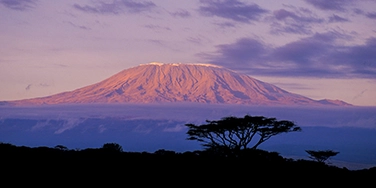
La noche de cumbre es una de las etapas más desafiantes y memorables de la ascensión al monte Kilimanjaro. A diferencia de las jornadas de senderismo anteriores, el ascenso final suele comenzar durante la noche, cuando las temperaturas son extremadamente bajas y la montaña está sumida en la oscuridad.
Para quienes escalan por primera vez, saber qué esperar puede hacer que la noche de cumbre resulte mucho menos intimidante.
En esta guía explicamos qué sucede durante la noche de ascenso a la cima del Kilimanjaro, cuánto tiempo lleva la subida, qué ropa llevar, qué comer y beber, y cómo prepararse física y mentalmente para el tramo final hacia Uhuru Peak.
¿Qué es la noche de ascenso a la cima del Kilimanjaro?
La noche de cumbre del Kilimanjaro es el ascenso final desde el campamento de gran altitud hacia Uhuru Peak, el punto más alto del monte Kilimanjaro, situado a 5.895 metros (19.341 pies).
La mayoría de los escaladores comienzan el intento de cima durante la noche, a menudo alrededor de la medianoche o poco después.
La razón para comenzar por la noche es llegar a la cima alrededor del amanecer, disponiendo así de tiempo suficiente para el descenso más tarde durante el día.
La experiencia es muy diferente al senderismo habitual, ya que caminarás:
- En la oscuridad
- A temperaturas bajo cero
- A gran altitud
- En terreno escarpado
- Durante varias horas seguidas
¿Cuánto tiempo lleva la noche de ascenso a la cima del Kilimanjaro?
La duración exacta depende de la ruta, la altitud de inicio, las condiciones meteorológicas, el ritmo de marcha y la condición física de cada persona.
El ascenso típico a la cima puede llevar aproximadamente **de 5 a 8 horas**, aunque algunos escaladores pueden tardar más.
El día final de ascenso a la cima es mucho más largo, ya que llegar a Uhuru Peak es solo la primera parte de la jornada.
Tras alcanzar la cima, todavía debes descender hasta tu próximo campamento.
Por eso, el día de cumbre requiere tanto resistencia física como preparación mental.
¿Qué sucede durante la noche de cumbre?
1. Despertar en el campamento de gran altitud
Por lo general, tus guías te despertarán durante la noche.
Tomarás una comida ligera o una bebida antes de comenzar el ascenso.
Este es el momento de asegurarse de tener:
- Lámpara de cabeza
- Ropa de abrigo
- Guantes
- Agua
- Aperitivos
- Bastones de trekking
- Artículos personales esenciales
Sus guías también les darán instrucciones antes de la salida.
2. Empieza a caminar en la oscuridad
El grupo comienza a ascender con linternas frontales.
Normalmente seguirás de cerca a tu guía porque la visibilidad es limitada.
El ritmo es deliberadamente lento.
Es posible que escuches la frase «pole pole», que significa «despacio, despacio».
El objetivo es conservar energía y gestionar la altitud en lugar de alcanzar la cima rápidamente.
3. Asciende durante las horas más frías
Las temperaturas pueden volverse extremadamente frías durante el intento de cima.
El viento puede hacer que las condiciones se sientan aún más frías.
Por eso, tu sistema de vestimenta para la cumbre es especialmente importante.
4. Continúa hacia el borde del cráter
El terreno se vuelve cada vez más exigente a medida que te acercas a la parte alta de la montaña.
Es posible que experimente fatiga, sensación de frío o síntomas relacionados con la altitud.
Sus guías supervisarán su progreso y su estado a lo largo del ascenso.
5. Alcanza la cima
Finalmente, llegas a la zona de la cima y continúas hacia el pico Uhuru.
Standing at 5,895 meters above sea level as the sun rises is one of the defining moments of a Kilimanjaro climb.
What Should You Wear on Kilimanjaro Summit Night?
La cima es mucho más fría que las zonas bajas de la montaña, por lo que es fundamental vestirse por capas adecuadamente.
Su ropa puede incluir:
Capa base
Una capa base que gestiona la humedad ayuda a mantener el cuerpo cómodo.
Capa aislante
Una prenda de forro polar o una capa aislante similar ayuda a retener el calor.
Capa exterior
Una capa impermeable y resistente al viento protege frente a las condiciones meteorológicas cambiantes.
Chaqueta con aislamiento térmico
Una chaqueta cálida y aislante es especialmente importante durante el intento de cima.
Manos y cabeza
No subestime la pérdida de calor a través de las manos y la cabeza.
Considerar:
- Guantes cálidos
- Sombrero
- Protección para el cuello
- Calcetines cálidos de senderismo
Los requisitos exactos de vestimenta deben ajustarse a las recomendaciones de equipamiento facilitadas por su operador de trekking.

¿Qué deberías comer antes de la noche de cumbre?
Comer antes del intento de cumbre proporciona energía a tu cuerpo para el largo ascenso.
Tu comida debe ser familiar y fácil de digerir.
Depending on your trekking arrangements, your pre-summit meal may include foods such as:
- Papilla
- Huevos
- Pan
- Fruit
- Arroz
- Pastas
- Other carbohydrate-rich foods
Avoid experimenting with unfamiliar foods immediately before summit night.
Your guides and mountain crew can advise you based on the meals provided during your trek.
Should You Drink Water During Summit Night?
Yes, maintaining appropriate hydration is important throughout the climb.
However, carrying and accessing water becomes more difficult in freezing temperatures.
Your water system should be prepared before leaving camp.
Insulating your hydration tube or using an appropriate water bottle system can help prevent water from freezing in very cold conditions.
Follow your guide’s recommendations regarding hydration.
Is Summit Night Difficult?
Sí.
Summit night is generally considered the most physically and mentally demanding section of a Kilimanjaro trek.
The difficulty comes from a combination of:
- Altura
- Cold temperatures
- Terreno empinado
- Darkness
- Long duration
- Fatiga fisica
- Reduced oxygen availability
However, you do not need to be an elite athlete.
Proper preparation, an appropriate itinerary, controlled pacing, and professional guide support can make the experience more manageable.
How Should Beginners Prepare for Summit Night?
First-time climbers should prepare for both the physical and mental aspects of the ascent.
Build Walking Endurance
Practice long walks before your trip.
Train on Hills
If possible, include uphill walking or stair training.
Practice With Your Gear
Use your hiking boots, backpack, trekking poles, and clothing during training.
Get Comfortable With Slow Walking
Summit night is not about speed.
Learn to maintain a steady pace without exhausting yourself.
Prepare for Early-Morning Activity
If possible, gradually become comfortable with waking early and exercising when you normally sleep.
What Is the Best Mindset for Summit Night?
Mental strength becomes extremely important during the final ascent.
You may feel tired after several days of trekking.
The summit may appear very far away, especially when progress is slow.
Instead of focusing on the entire distance, concentrate on the next section of trail.
Listen to your guide.
Maintain your pace.
Take appropriate breaks.
Stay focused on the process rather than constantly thinking about how many hours remain.
What Happens If You Feel Sick During Summit Night?
Never hide symptoms from your guide.
Altitude-related symptoms can occur even in physically fit climbers.
You may experience:
- Dolor de cabeza
- Náuseas
- Mareo
- Fatiga
- Pérdida de apetito
- Dificultad para dormir
- Dificultad para respirar
More serious symptoms require immediate medical attention.
If your condition deteriorates, your guide may decide that descending is the safest option.
Reaching the summit should never be more important than your safety.
How Do Kilimanjaro Guides Support Climbers During Summit Night?
Professional guides play an important role during the final ascent.
They can help with:
- Setting a safe pace
- Monitoring climbers
- Identifying concerning symptoms
- Managing breaks
- Providing route guidance
- Making safety decisions
- Coordinating descent when necessary
At Kilimanjaro Climbing Club, the trekking team supports climbers throughout the journey and prioritizes safety during the summit attempt.
Can You Take Photos at the Summit?
Yes, provided conditions and your physical condition allow it.
Many climbers take photographs at Uhuru Peak to document the achievement.
However, remember that you are at extremely high altitude.
Do not spend unnecessary time exposed to cold conditions simply to take photographs.
Listen to your guide and prioritize your health.
What Happens After Reaching Uhuru Peak?
Reaching the summit is not the end of summit day.
After spending appropriate time at Uhuru Peak, you begin your descent.
The descent can be physically demanding because you are already tired from the ascent.
Depending on your itinerary, you may descend to a lower camp where you can rest before continuing the journey.
This is why conserving energy during the ascent is so important.
Kilimanjaro Summit Night Checklist
Before leaving your camp, make sure you have the essentials recommended by your operator:
Headlamp with spare batteries
Warm insulated jacket
Capas base
Guantes cálidos
Sombrero
Calcetines cálidos de senderismo
Waterproof outer layer
Hiking boots
Agua
Energy snacks
Bastones de trekking
Personal medication
Camera/phone if required
Preguntas frecuentes
What time does Kilimanjaro summit night start?
How cold is Kilimanjaro summit night?
How many hours does it take to reach Uhuru Peak?
Is Kilimanjaro summit night suitable for beginners?
What should I eat before summit night?
Reflexiones finales
Kilimanjaro summit night is challenging, but knowing what to expect can make the experience considerably easier to manage.
The combination of darkness, cold, altitude, and a long ascent requires preparation and patience.
The most important things to remember are simple:
Go slowly. Stay warm. Stay hydrated. Eat when you can. Listen to your guide. Report symptoms honestly.
With the right preparation and professional support, summit night can become one of the most rewarding experiences of your Kilimanjaro adventure.
If you are planning your climb and want help choosing the right route and itinerary, Kilimanjaro Climbing Club can help you plan your trek according to your experience, goals, and preparation level.

 English
  Dutch
Dutch  French
  Czech
Czech  Spanish
  German
  Polish
  Italian
  Chinese
  Russian