
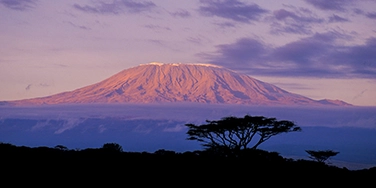
冲顶之夜是攀登乞力马扎罗山最具挑战性也最令人难忘的环节之一。与此前的徒步行程不同,最后的登顶通常在夜间开始,此时气温极低,山上漆黑一片。
对于初次攀登者来说,了解将会发生什么,能让冲顶之夜显得不那么令人生畏。
本指南将为您详细介绍乞力马扎罗山冲顶之夜的行程安排、登顶所需时长、着装建议、饮食指南,以及如何为向乌呼鲁峰(Uhuru Peak)发起的最后冲刺做好身心准备。
什么是乞力马扎罗登顶之夜?
乞力马扎罗山的“冲顶之夜”是指从高海拔营地出发,向海拔5,895米(19,341英尺)的乌呼鲁峰(Uhuru Peak)——即该山的最高点——进行的最后一段攀登。
大多数登山者在夜间——通常是午夜左右或稍晚——开始尝试登顶。
选择在夜间出发,是为了能在日出前后抵达顶峰,同时为随后白天的下山留出充足的时间。
这种体验与普通的徒步旅行大不相同,因为你将要进行的是:
- 在黑暗中
- 在冰点以下的气温中
- 在极高海拔处
- 在陡峭地形上
- 连续数小时
攀登乞力马扎罗山顶峰的冲顶之夜需要多长时间?
具体所需时间取决于您的路线、起始海拔、天气状况、徒步速度以及个人体能。
典型的登顶过程大约需要 5 到 8 小时,不过有些登山者可能需要更长时间。
冲顶日的行程要漫长得多,因为抵达乌呼鲁峰(Uhuru Peak)仅仅是这一天行程的第一部分。
登顶之后,你仍需下行前往下一个营地。
正因如此,冲顶日既需要体能耐力,也需要心理准备。
冲顶之夜会发生什么?
1. 在高海拔营地醒来
您的向导通常会在夜间叫醒您。
在开始攀登之前,你会吃点简餐或喝点饮料。
现在是时候确保您拥有:
- 头灯
- 保暖衣物
- 手套
- 水
- 零食
- 登山杖
- 个人必备品
您的向导也会在出发前提供相关说明。
2. 开始在黑暗中前行
这群人戴着头灯开始攀登。
由于能见度有限,你通常需要紧随向导。
节奏被刻意放得很慢。
你可能会听到“pole pole”这个短语,意思是“慢慢地”。
目标是节能并掌控海拔,而非快速登顶。
3. 攀越最寒冷的时刻
在尝试登顶的过程中,气温可能会变得极低。
风会让人感觉更加寒冷。
这就是为什么您的冲顶服装系统尤为重要。
4. 继续向火山口边缘进发
随着你向高海拔山区推进,地形变得愈发险峻。
您可能会感到疲劳、寒冷,或出现与海拔相关的症状。
您的向导将在整个攀登过程中密切关注您的进展与状况。
5. 登顶
最终,你抵达了峰顶区域,并继续向乌呼鲁峰(Uhuru Peak)进发。
Standing at 5,895 meters above sea level as the sun rises is one of the defining moments of a Kilimanjaro climb.
What Should You Wear on Kilimanjaro Summit Night?
山顶的气温比山腰以下低得多,因此采取适当的叠穿方式至关重要。
您的衣物可能包括:
基础层
具有吸湿排汗功能的贴身层有助于保持身体舒适。
绝缘层
抓绒衣或类似的保暖层有助于保持温暖。
外层
防水防风层可抵御多变的天气。
保暖夹克
在尝试登顶期间,一件保暖的隔热夹克尤为重要。
双手与头脑
不要低估手部和头部的热量流失。
考虑:
- 保暖手套
- 帽子
- 颈部防护
- 保暖徒步袜
具体的着装要求应遵循徒步旅行组织方提供的装备建议。

冲顶之夜前应该吃什么?
在尝试登顶前进食,能为漫长的攀登过程提供能量。
你的餐食应当是你熟悉的,且易于消化。
Depending on your trekking arrangements, your pre-summit meal may include foods such as:
- 稀饭
- 鸡蛋
- 面包
- Fruit
- 米
- 面食
- Other carbohydrate-rich foods
Avoid experimenting with unfamiliar foods immediately before summit night.
Your guides and mountain crew can advise you based on the meals provided during your trek.
Should You Drink Water During Summit Night?
Yes, maintaining appropriate hydration is important throughout the climb.
However, carrying and accessing water becomes more difficult in freezing temperatures.
Your water system should be prepared before leaving camp.
Insulating your hydration tube or using an appropriate water bottle system can help prevent water from freezing in very cold conditions.
Follow your guide’s recommendations regarding hydration.
Is Summit Night Difficult?
是的。
Summit night is generally considered the most physically and mentally demanding section of a Kilimanjaro trek.
The difficulty comes from a combination of:
- 高空
- Cold temperatures
- 地形陡峭
- Darkness
- Long duration
- 身体疲劳
- Reduced oxygen availability
However, you do not need to be an elite athlete.
Proper preparation, an appropriate itinerary, controlled pacing, and professional guide support can make the experience more manageable.
How Should Beginners Prepare for Summit Night?
First-time climbers should prepare for both the physical and mental aspects of the ascent.
Build Walking Endurance
Practice long walks before your trip.
Train on Hills
If possible, include uphill walking or stair training.
Practice With Your Gear
Use your hiking boots, backpack, trekking poles, and clothing during training.
Get Comfortable With Slow Walking
Summit night is not about speed.
Learn to maintain a steady pace without exhausting yourself.
Prepare for Early-Morning Activity
If possible, gradually become comfortable with waking early and exercising when you normally sleep.
What Is the Best Mindset for Summit Night?
Mental strength becomes extremely important during the final ascent.
You may feel tired after several days of trekking.
The summit may appear very far away, especially when progress is slow.
Instead of focusing on the entire distance, concentrate on the next section of trail.
Listen to your guide.
Maintain your pace.
Take appropriate breaks.
Stay focused on the process rather than constantly thinking about how many hours remain.
What Happens If You Feel Sick During Summit Night?
Never hide symptoms from your guide.
Altitude-related symptoms can occur even in physically fit climbers.
You may experience:
- 头痛
- 恶心
- 头晕
- 疲劳
- 食欲不振
- 睡眠困难
- 气促
More serious symptoms require immediate medical attention.
If your condition deteriorates, your guide may decide that descending is the safest option.
Reaching the summit should never be more important than your safety.
How Do Kilimanjaro Guides Support Climbers During Summit Night?
Professional guides play an important role during the final ascent.
They can help with:
- Setting a safe pace
- Monitoring climbers
- Identifying concerning symptoms
- Managing breaks
- Providing route guidance
- Making safety decisions
- Coordinating descent when necessary
At Kilimanjaro Climbing Club, the trekking team supports climbers throughout the journey and prioritizes safety during the summit attempt.
Can You Take Photos at the Summit?
Yes, provided conditions and your physical condition allow it.
Many climbers take photographs at Uhuru Peak to document the achievement.
However, remember that you are at extremely high altitude.
Do not spend unnecessary time exposed to cold conditions simply to take photographs.
Listen to your guide and prioritize your health.
What Happens After Reaching Uhuru Peak?
Reaching the summit is not the end of summit day.
After spending appropriate time at Uhuru Peak, you begin your descent.
The descent can be physically demanding because you are already tired from the ascent.
Depending on your itinerary, you may descend to a lower camp where you can rest before continuing the journey.
This is why conserving energy during the ascent is so important.
Kilimanjaro Summit Night Checklist
Before leaving your camp, make sure you have the essentials recommended by your operator:
Headlamp with spare batteries
Warm insulated jacket
基础层
保暖手套
帽子
保暖徒步袜
Waterproof outer layer
Hiking boots
水
Energy snacks
登山杖
Personal medication
Camera/phone if required
常见问题解答
What time does Kilimanjaro summit night start?
How cold is Kilimanjaro summit night?
How many hours does it take to reach Uhuru Peak?
Is Kilimanjaro summit night suitable for beginners?
What should I eat before summit night?
结语
Kilimanjaro summit night is challenging, but knowing what to expect can make the experience considerably easier to manage.
The combination of darkness, cold, altitude, and a long ascent requires preparation and patience.
The most important things to remember are simple:
Go slowly. Stay warm. Stay hydrated. Eat when you can. Listen to your guide. Report symptoms honestly.
With the right preparation and professional support, summit night can become one of the most rewarding experiences of your Kilimanjaro adventure.
If you are planning your climb and want help choosing the right route and itinerary, Kilimanjaro Climbing Club can help you plan your trek according to your experience, goals, and preparation level.

 English
  Dutch
Dutch  French
  Czech
Czech  Spanish
  German
  Polish
  Italian
  Chinese
  Russian