
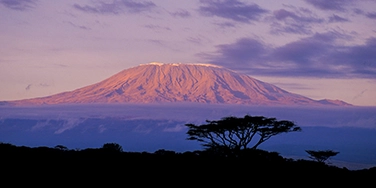
La notte della vetta è una delle fasi più impegnative e memorabili della scalata del Kilimangiaro. A differenza delle giornate di trekking precedenti, l'ascesa finale inizia solitamente di notte, quando le temperature sono estremamente rigide e la montagna è immersa nell'oscurità.
Per chi affronta la scalata per la prima volta, sapere cosa aspettarsi può rendere la notte della vetta molto meno intimidatoria.
In questa guida spieghiamo cosa accade durante la notte della scalata alla vetta del Kilimangiaro, quanto dura l'ascesa, cosa indossare, cosa mangiare e bere, e come prepararsi fisicamente e mentalmente per lo sforzo finale verso Uhuru Peak.
Cos'è la notte della vetta del Kilimangiaro?
La notte della vetta del Kilimangiaro è l'ascesa finale dal campo d'alta quota verso Uhuru Peak, il punto più alto del monte Kilimangiaro, a 5.895 metri (19.341 piedi).
La maggior parte degli alpinisti inizia il tentativo di vetta durante la notte, spesso intorno a mezzanotte o poco dopo.
Il motivo per cui si parte di notte è raggiungere la vetta verso l'alba, lasciando al contempo tempo a sufficienza per la discesa nel corso della giornata.
L'esperienza è molto diversa dal normale trekking perché camminerai:
- Nell'oscurità
- A temperature gelide
- Ad altissima quota
- Su terreno ripido
- Per diverse ore di seguito
Quanto dura la notte della scalata alla vetta del Kilimangiaro?
La durata esatta dipende dall'itinerario, dall'altitudine di partenza, dalle condizioni meteorologiche, dal ritmo di marcia e dalla forma fisica individuale.
Una tipica ascesa alla vetta può richiedere circa 5–8 ore, sebbene alcuni alpinisti possano impiegare più tempo.
L'ultima giornata di ascesa alla vetta è molto più lunga, poiché raggiungere Uhuru Peak è solo la prima parte della giornata.
Dopo aver raggiunto la vetta, devi ancora scendere fino al prossimo campo.
Ecco perché il giorno della vetta richiede sia resistenza fisica che preparazione mentale.
Cosa succede durante la notte della vetta?
1. Risveglio al campo in quota
Di solito le vostre guide vi sveglieranno durante la notte.
Consumerai un pasto leggero o una bevanda prima di iniziare la salita.
Questo è il momento di assicurarti di avere:
- Lampada frontale
- Abbigliamento caldo
- Guanti
- Acqua
- Spuntini
- Bastoncini da trekking
- Articoli personali essenziali
Le vostre guide forniranno anche delle istruzioni prima della partenza.
2. Inizia a camminare nell'oscurità
Il gruppo inizia a salire con le lampade frontali.
Di norma seguirai da vicino la tua guida, poiché la visibilità è limitata.
Il ritmo è volutamente lento.
Potresti sentire l'espressione “pole pole”, che significa “piano piano”.
L'obiettivo è risparmiare energia e gestire la quota, piuttosto che raggiungere la vetta rapidamente.
3. Arrampicare durante le ore più fredde
Le temperature possono scendere a livelli estremamente bassi durante il tentativo di vetta.
Il vento può far percepire le condizioni come ancora più fredde.
Ecco perché il tuo sistema di abbigliamento per la vetta è particolarmente importante.
4. Prosegui verso il bordo del cratere
Il terreno diventa sempre più impegnativo man mano che ci si avvicina alla parte alta della montagna.
Potresti avvertire affaticamento, freddo o sintomi legati all'altitudine.
Le vostre guide monitoreranno i vostri progressi e le vostre condizioni durante l'intera ascesa.
5. Raggiungi la vetta
Alla fine, raggiungi l'area della vetta e prosegui verso Uhuru Peak.
Standing at 5,895 meters above sea level as the sun rises is one of the defining moments of a Kilimanjaro climb.
What Should You Wear on Kilimanjaro Summit Night?
La vetta è molto più fredda delle parti basse della montagna, quindi è fondamentale vestirsi a strati in modo adeguato.
Il tuo abbigliamento può includere:
Strato base
Uno strato base che gestisce l'umidità aiuta a mantenere il corpo a proprio agio.
Strato isolante
Un pile o uno strato isolante simile aiuta a trattenere il calore.
Strato esterno
Uno strato impermeabile e resistente al vento protegge dalle condizioni meteorologiche variabili.
Giacca imbottita
Una giacca calda e imbottita è particolarmente importante durante il tentativo di vetta.
Mani e testa
Non sottovalutare la dispersione di calore dalle mani e dalla testa.
Considerare:
- Guanti caldi
- Cappello
- Protezione per il collo
- Calze calde da trekking
L'abbigliamento richiesto nello specifico deve essere conforme alle indicazioni sull'equipaggiamento fornite dall'operatore di trekking.

Cosa dovresti mangiare prima della notte di vetta?
Mangiare prima del tentativo di vetta fornisce al corpo l'energia necessaria per la lunga ascesa.
Il tuo pasto dovrebbe essere familiare e facile da digerire.
Depending on your trekking arrangements, your pre-summit meal may include foods such as:
- Porridge
- Uova
- Pane
- Fruit
- Riso
- Pasta
- Other carbohydrate-rich foods
Avoid experimenting with unfamiliar foods immediately before summit night.
Your guides and mountain crew can advise you based on the meals provided during your trek.
Should You Drink Water During Summit Night?
Yes, maintaining appropriate hydration is important throughout the climb.
However, carrying and accessing water becomes more difficult in freezing temperatures.
Your water system should be prepared before leaving camp.
Insulating your hydration tube or using an appropriate water bottle system can help prevent water from freezing in very cold conditions.
Follow your guide’s recommendations regarding hydration.
Is Summit Night Difficult?
SÌ.
Summit night is generally considered the most physically and mentally demanding section of a Kilimanjaro trek.
The difficulty comes from a combination of:
- Alta quota
- Cold temperatures
- Terreno ripido
- Darkness
- Long duration
- Stanchezza fisica
- Reduced oxygen availability
However, you do not need to be an elite athlete.
Proper preparation, an appropriate itinerary, controlled pacing, and professional guide support can make the experience more manageable.
How Should Beginners Prepare for Summit Night?
First-time climbers should prepare for both the physical and mental aspects of the ascent.
Build Walking Endurance
Practice long walks before your trip.
Train on Hills
If possible, include uphill walking or stair training.
Practice With Your Gear
Use your hiking boots, backpack, trekking poles, and clothing during training.
Get Comfortable With Slow Walking
Summit night is not about speed.
Learn to maintain a steady pace without exhausting yourself.
Prepare for Early-Morning Activity
If possible, gradually become comfortable with waking early and exercising when you normally sleep.
What Is the Best Mindset for Summit Night?
Mental strength becomes extremely important during the final ascent.
You may feel tired after several days of trekking.
The summit may appear very far away, especially when progress is slow.
Instead of focusing on the entire distance, concentrate on the next section of trail.
Listen to your guide.
Maintain your pace.
Take appropriate breaks.
Stay focused on the process rather than constantly thinking about how many hours remain.
What Happens If You Feel Sick During Summit Night?
Never hide symptoms from your guide.
Altitude-related symptoms can occur even in physically fit climbers.
You may experience:
- Mal di testa
- Nausea
- Vertigini
- Fatica
- Perdita di appetito
- Difficoltà a dormire
- Fiato corto
More serious symptoms require immediate medical attention.
If your condition deteriorates, your guide may decide that descending is the safest option.
Reaching the summit should never be more important than your safety.
How Do Kilimanjaro Guides Support Climbers During Summit Night?
Professional guides play an important role during the final ascent.
They can help with:
- Setting a safe pace
- Monitoring climbers
- Identifying concerning symptoms
- Managing breaks
- Providing route guidance
- Making safety decisions
- Coordinating descent when necessary
At Kilimanjaro Climbing Club, the trekking team supports climbers throughout the journey and prioritizes safety during the summit attempt.
Can You Take Photos at the Summit?
Yes, provided conditions and your physical condition allow it.
Many climbers take photographs at Uhuru Peak to document the achievement.
However, remember that you are at extremely high altitude.
Do not spend unnecessary time exposed to cold conditions simply to take photographs.
Listen to your guide and prioritize your health.
What Happens After Reaching Uhuru Peak?
Reaching the summit is not the end of summit day.
After spending appropriate time at Uhuru Peak, you begin your descent.
The descent can be physically demanding because you are already tired from the ascent.
Depending on your itinerary, you may descend to a lower camp where you can rest before continuing the journey.
This is why conserving energy during the ascent is so important.
Kilimanjaro Summit Night Checklist
Before leaving your camp, make sure you have the essentials recommended by your operator:
Headlamp with spare batteries
Warm insulated jacket
Strati base
Guanti caldi
Cappello
Calze calde da trekking
Waterproof outer layer
Hiking boots
Acqua
Energy snacks
Bastoncini da trekking
Personal medication
Camera/phone if required
Domande frequenti
What time does Kilimanjaro summit night start?
How cold is Kilimanjaro summit night?
How many hours does it take to reach Uhuru Peak?
Is Kilimanjaro summit night suitable for beginners?
What should I eat before summit night?
Considerazioni finali
Kilimanjaro summit night is challenging, but knowing what to expect can make the experience considerably easier to manage.
The combination of darkness, cold, altitude, and a long ascent requires preparation and patience.
The most important things to remember are simple:
Go slowly. Stay warm. Stay hydrated. Eat when you can. Listen to your guide. Report symptoms honestly.
With the right preparation and professional support, summit night can become one of the most rewarding experiences of your Kilimanjaro adventure.
If you are planning your climb and want help choosing the right route and itinerary, Kilimanjaro Climbing Club can help you plan your trek according to your experience, goals, and preparation level.

 English
  Dutch
Dutch  French
  Czech
Czech  Spanish
  German
  Polish
  Italian
  Chinese
  Russian