
Respuesta rápida
Mount Kilimanjaro is considered the most accessible high-altitude mountain because it requires no technical climbing skills, has well-established trekking routes, offers professional guide support, and provides gradual acclimatization options—making it achievable for beginners with proper preparation.
Introduction
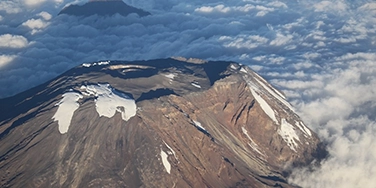
Mount Kilimanjaro stands at 5,895 meters (19,341 feet), making it the highest free-standing mountain in the world. Despite its extreme altitude, it is widely known as the most accessible high-altitude peak.
Unlike mountains that require mountaineering expertise, Kilimanjaro allows trekkers to reach the summit by walking—making it a realistic goal for first-time high-altitude climbers.
In this guide, we’ll break down exactly why Kilimanjaro is so accessible, and what makes it different from other major peaks.
1. No se requieren habilidades técnicas de escalada
One of the biggest reasons Kilimanjaro is accessible is that it is a non-technical trekking peak.
You do NOT need:
- Ropes
- Ice axes
- Climbing harness
- Mountaineering experience
Unlike peaks such as Everest or Denali, Kilimanjaro is climbed on well-defined hiking trails.
👉 This makes it ideal for:
- First-time climbers
- Beginners with good fitness
- Travelers over 40–60
- Charity and group trekkers
2. Multiple Routes Designed for Acclimatization
Kilimanjaro offers several routes that are specifically designed to help your body adapt to altitude.
Best routes for acclimatization:
These follow the “climb high, sleep low” principle, which helps reduce the risk of altitude sickness.
👉 With the right itinerary (7–9 days), summit success rates can exceed 90%.
3. Full Support from Professional Crew
Kilimanjaro is one of the few mountains where guided climbs are mandatory, meaning you are always supported.
A standard team includes:
- Guías de montaña certificados.
- Guías asistentes
- Porteadoras
- Professional chefs
Monitor de guías:
- Niveles de oxígeno
- frecuencia cardiaca
- Altitude sickness symptoms
This level of support makes Kilimanjaro significantly safer and more beginner-friendly.

4. Well-Developed Mountain Infrastructure
Unlike remote expeditions, Kilimanjaro has strong infrastructure:
- Senderos claramente señalizados
- Established campsites
- Rescue systems available
- Organized trekking operations
👉 Example:
- Marangu Route offers hut accommodation
- Other routes provide fully equipped camps with tents & dining setups
This reduces logistical complexity and improves overall comfort.
5. No Prior High-Altitude Experience Needed
Many climbers successfully summit Kilimanjaro without any previous high-altitude experience.
What matters more:
- Proper training
- Elegir la ruta correcta
- Enough acclimatization days
- Hydration and pacing
👉 Kilimanjaro proves that preparation beats experience.
6. Easy Accessibility & Travel Logistics
Kilimanjaro is one of the easiest major peaks to reach globally.
Travel advantages:
- Direct flights to Kilimanjaro International Airport (JRO)
- Short drive to starting points
- Simple visa process
- Stable tourism infrastructure
👉 Compared to the Himalayas or Andes, logistics are much simpler and faster.
7. A Realistic Yet Life-Changing Summit
Reaching Uhuru Peak (Africa’s highest point) is a major achievement.
What makes Kilimanjaro unique:
- High altitude challenge
- No extreme technical risk
- Achievable for motivated beginners
It offers the perfect balance of:
- Aventura
- Seguridad
- Accesibilidad
Final Thoughts: Accessible Doesn’t Mean Easy
Kilimanjaro is still a serious challenge.
You will face:
- Altitude
- Cold temperatures
- Long trekking days
However, with the right preparation and guidance, it becomes one of the most achievable high-altitude climbs in the world.
👉 Kilimanjaro isn’t the easiest mountain —
it’s the most possible one.
Written by: Khuwaja Muhammad Mubarak
WordPress Developer & SEO Specialist at Hashtech Creative
View Author Profile
 English
  Dutch
Dutch  French
  Czech
Czech  Spanish
  German
  Polish
  Italian
  Chinese
  Russian