
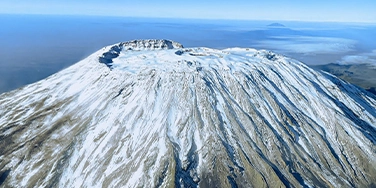
攀登乞力马扎罗山无需专业登山技术,但确实需要良好的体能耐力、充分的准备,以及在高海拔环境下持续行走数小时的能力。
一份好的训练计划,能帮助你的双腿、心血管系统、核心部位以及整体耐力做好准备,以应对多日徒步的需求。
好消息是,你无需成为精英运动员。
通过持续的训练和充分的准备,许多初次尝试徒步的人完全能够为攀登乞力马扎罗山做好准备。
本指南介绍了如何为攀登乞力马扎罗山进行训练,包括应优先开展哪些锻炼、步行训练量应达到多少,以及一份有效的8周备战计划可以包含哪些内容。
攀登乞力马扎罗山需要怎样的体能?
攀登乞力马扎罗山并不需要超凡的运动能力。
这次徒步主要是一项耐力挑战,而非技术性攀登挑战。
最重要的身体素质包括:
- 步行耐力
- 心肺适能
- 腿部力量
- 核心稳定性
- 平衡
- 上坡行走能力
- 能够连续多天保持活跃状态
此外,你还应能够以缓慢而平稳的步调长时间行走。
然而,良好的身体素质并不能预防高原相关疾病。适应海拔、控制行进节奏、选择合适路线以及获得适当的向导支持,依然至关重要。
What Is the Best Way to Train for Kilimanjaro?
The most effective preparation combines several types of training rather than relying on one exercise.
Your program should include:
- 长途步行
- Hill or stair training
- Cardiovascular exercise
- Strength training
- Core exercises
- Balance and stability work
- Recovery
The closer you get to your trek, the more your training should resemble the actual demands of hiking.
1. Start With Regular Walking
Walking should be the foundation of your Kilimanjaro training.
Begin with comfortable distances and gradually increase your walking time.
For example:
Weeks 1–2:
30–45 minutes per session
Weeks 3–4:
45–60 minutes per session
Weeks 5–6:
60–90 minutes per session
Weeks 7–8:
Longer weekend hikes combined with shorter weekday walks
The exact distance is less important than consistency.
Your objective is to teach your body to remain active for increasingly longer periods.
2. Train on Hills and Stairs
Kilimanjaro involves significant elevation gain, so flat walking alone may not provide enough preparation.
If you have access to hills, trails, or stairs, include them in your training.
Hill training helps develop:
- Quadriceps
- Hamstrings
- Glutes
- Calves
- Cardiovascular endurance
If you live in a relatively flat area, stair climbing can provide a useful alternative.
Start gradually and increase the duration over time.

3. Build Cardiovascular Endurance
Cardio training can improve your ability to sustain physical activity for longer periods.
Useful options include:
- Brisk walking
- Hiking
- Cycling
- Swimming
- Elliptical training
- 爬楼梯
Aim for regular moderate-intensity activity rather than trying to complete every session at maximum intensity.
Kilimanjaro is about steady endurance, not speed.
4. Strengthen Your Legs
Strong legs can make long days of trekking more manageable.
Useful exercises include:
Squats
Strengthen the major muscles used during uphill and downhill walking.
Lunges
Help develop leg strength and balance.
Step-Ups
Step-ups are particularly useful because they replicate the repeated movement of climbing.
Calf Raises
Help strengthen the lower legs.
Glute Bridges
Help strengthen the glutes and posterior chain.
Start with bodyweight exercises and increase resistance gradually if appropriate.
5. Don't Forget Your Core
Your core helps stabilize your body while carrying a backpack and walking on uneven terrain.
Useful exercises include:
- Planks
- Side planks
- Bird dogs
- Dead bugs
- Controlled mountain climbers
You don’t need an extreme abdominal workout.
The goal is functional stability and endurance.
6. Train With Your Hiking Gear
One common mistake is completing all training without the equipment you will actually use on the mountain.
As your trek approaches, start training with:
- Hiking boots
- Trekking socks
- Backpack
- 登山杖
- Layers of clothing
This allows you to identify potential problems before your trip.
For example, you may discover that:
- Your boots cause discomfort
- Your backpack is too heavy
- Your socks create friction
- Your trekking poles need adjustment
It is much better to discover these issues during training than on Kilimanjaro.
7. Practice Long Weekend Hikes
Your regular weekday training is important, but longer weekend hikes are particularly useful.
Try gradually increasing the duration of your longest weekly hike.
The goal is to become comfortable spending several hours on your feet.
You don’t need to replicate the entire Kilimanjaro summit day during training.
Instead, gradually build your endurance and become comfortable with sustained walking.
8. Practice Walking Slowly
This may sound surprisingly simple, but pacing is an important part of Kilimanjaro preparation.
Kilimanjaro guides commonly encourage climbers to walk slowly.
The famous Swahili expression:
“Pole pole” — slowly, slowly
reflects the importance of controlled pacing.
Training yourself to maintain a comfortable, sustainable pace can help you avoid using too much energy early in the trek.
8-Week Kilimanjaro Training Plan
Weeks 1–2: Build Your Base
Focus on establishing consistency.
Recommended activities:
- 3 walking sessions per week
- 1 longer walk
- 2 strength sessions
- 1–2 cardio sessions
Keep the intensity manageable.
The objective is to build a foundation rather than exhaust yourself.
Weeks 3–4: Increase Endurance
Start increasing your walking duration.
Add:
- Longer weekend walks
- Hill training
- More step-ups
- Longer cardio sessions
Begin using your hiking boots if they are already broken in.
Weeks 5–6: Introduce Trekking-Specific Training
Your training should now become more similar to the actual trek.
Include:
- Longer hikes
- Hills or stairs
- Backpack training
- Strength training
- Longer periods of continuous walking
This is also a good time to test your clothing and equipment.
Weeks 7–8: Peak and Prepare
Your final weeks should focus on building confidence and endurance without unnecessarily exhausting yourself.
Continue:
- Long hikes
- Moderate cardio
- Strength training
- Hill walking
- Gear practice
Avoid suddenly increasing your training volume dramatically.
Should You Train for Altitude Before Kilimanjaro?
Altitude is different from physical fitness.
You can be extremely fit and still experience altitude-related symptoms.
If you live near sea level, normal gym training cannot fully reproduce the effects of climbing to 5,895 meters.
Altitude preparation should therefore focus on:
- Choosing an appropriate itinerary
- Allowing sufficient acclimatization
- Maintaining a slow pace
- Following your guide’s instructions
- Monitoring symptoms
If you have questions about altitude medication or medical preparation, consult a qualified healthcare professional before your trip.
How Much Should You Walk Before Kilimanjaro?
There is no single distance that every climber needs to achieve.
Instead of focusing exclusively on mileage, focus on whether you can comfortably complete progressively longer walks.
A useful progression might look like:
| Training Phase | Main Focus |
|---|---|
| Weeks 1–2 | Regular walking |
| Weeks 3–4 | Longer walks + hills |
| Weeks 5–6 | Hiking + backpack |
| Weeks 7–8 | Trek-specific endurance |
Your exact training volume should depend on your current fitness, experience, and any physical limitations.
What Should You Do During the Final Week?
The final week should not be about trying to become fit overnight.
Reduce demanding workouts and allow your body to recover.
重点关注:
- Light walking
- Mobility
- Sleep
- 保湿
- 营养
- Equipment preparation
- Travel preparation
Arriving at Kilimanjaro exhausted from last-minute training is counterproductive.
常见问题解答
How do I train for Kilimanjaro?
Do I need to run to prepare for Kilimanjaro?
How many months should I train for Kilimanjaro?
Can an unfit person climb Kilimanjaro?
Do I need strength training for Kilimanjaro?
结语
Training for Kilimanjaro is less about becoming an elite athlete and more about building sustainable endurance.
Walk regularly.
Train your legs.
Practice hills.
Build your cardiovascular fitness.
Use your hiking equipment before the trip.
Most importantly, progress gradually and give your body enough time to recover.
When combined with an appropriate itinerary, gradual acclimatization, sensible pacing, and professional guide support, good preparation can help you approach your Kilimanjaro trek with greater confidence.
Start training early, stay consistent, and remember: pole pole.

 English
  Dutch
Dutch  French
  Czech
Czech  Spanish
  German
  Polish
  Italian
  Chinese
  Russian