Climbing Mount Kilimanjaro is not just about fitness. Instead, Kilimanjaro acclimatization plays the biggest role in whether you reach the summit.
In fact, altitude—not exhaustion—is the main reason climbers fail.
Therefore, if you understand how acclimatization works, you can dramatically improve your summit success rate.
What Is Kilimanjaro Acclimatization?
Kilimanjaro acclimatization is the process where your body adjusts to lower oxygen levels at high altitude.
As you climb higher:
- Air pressure decreases
- Oxygen levels drop
- Your body must adapt
As a result, without proper acclimatization, climbers may experience altitude sickness.
Why Altitude Sickness Is the Biggest Risk on Kilimanjaro
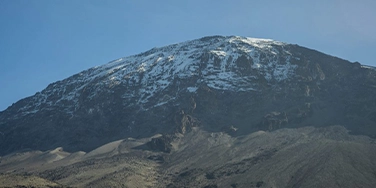
Mount Kilimanjaro stands at 5,895 meters (19,341 ft). At this height:
- Oxygen levels are nearly 50% lower than sea level
- Even fit climbers struggle
- Altitude sickness can affect anyone
In other words, fitness alone does not guarantee success.
A strong Kilimanjaro acclimatization strategy includes:
🧗 1. Gradual Ascent
Climbing slowly allows your body to adjust naturally.
⛰️ 2. Climb High, Sleep Low
You hike to higher altitude during the day, then descend to sleep.
As a result, your body adapts faster.
📅 3. Extra Acclimatization Days
Longer climbs (7–9 days) significantly improve success rates.
👉 More days = Better oxygen adaptation = Higher summit success
Best Routes for Kilimanjaro Acclimatization
Some routes are better for acclimatization:
👉 These routes provide gradual elevation gain and better recovery time.

Signs of Poor Acclimatization
It’s important to recognize symptoms early.
Common symptoms:
- Headache
- Nausea
- Fatigue
- Dizziness
Severe symptoms:
- Confusion
- Difficulty walking
- Severe breathlessness
👉 Guides monitor these daily to ensure safety.
Does Diamox Help Acclimatization?
Diamox (Acetazolamide) can help improve breathing.
However:
- It does NOT replace proper acclimatization
- It works best with slow ascent
- Always consult a doctor
Why Fast Climbs Reduce Summit Success
Many budget climbs take only 5–6 days.
However, this leads to:
- Faster altitude gain
- Less recovery time
- Higher risk of altitude sickness
👉 Therefore, shorter routes = lower success rates
How Guides Help with Acclimatization
Professional guides play a major role.
They provide:
- Daily health checks
- Oxygen monitoring
- Controlled pace (“pole pole”)
- Structured acclimatization hikes
As a result, guided climbs have much higher success rates.
Best Kilimanjaro Acclimatization Tips
To improve your chances:
- Choose a 7–9 day route
- Stay hydrated
- Eat regularly
- Avoid alcohol
- Train for endurance
Additionally, mental calmness helps manage altitude stress.
Final Verdict: Acclimatization = Success
In conclusion, Kilimanjaro acclimatization is the #1 factor for summit success.
- It matters more than fitness
- It reduces altitude sickness risk
- It increases your chances of reaching Uhuru Peak
👉 If you want to succeed, prioritize acclimatization over speed.
FAQ's
Q1: Is acclimatization more important than fitness?
Q2: What is the best number of days for Kilimanjaro?
Q3:Can I summit Kilimanjaro in 5 days?
Q4: Does everyone get altitude sickness?
Book Your Free Consultation
Written by: Khuwaja Muhammad Mubarak
WordPress Developer & SEO Specialist at Hashtech Creative
View Author Profile
 English
  Dutch
Dutch  French
  Czech
Czech  Spanish
  German
  Polish
  Italian
  Chinese
  Russian