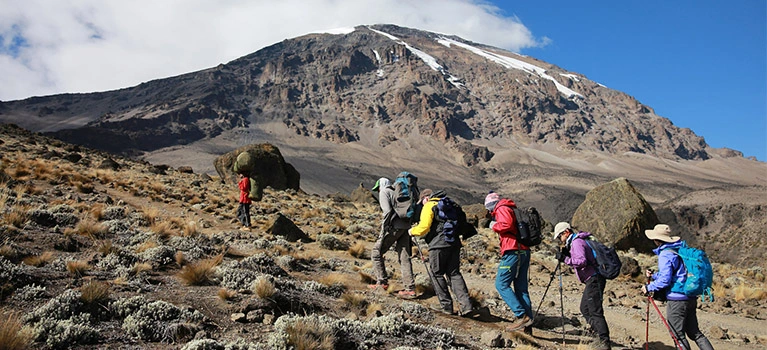
Jak trenować do wyprawy na Kilimandżaro?

Training for a Kilimanjaro trek is one of the most important steps for a successful climb. A common question beginners ask is: How do you train for a Kilimanjaro trek? The short answer is that you should focus on cardio fitness, hiking endurance, leg strength, and altitude preparation. Most climbers train for 8 to 12 … Dowiedz się więcej
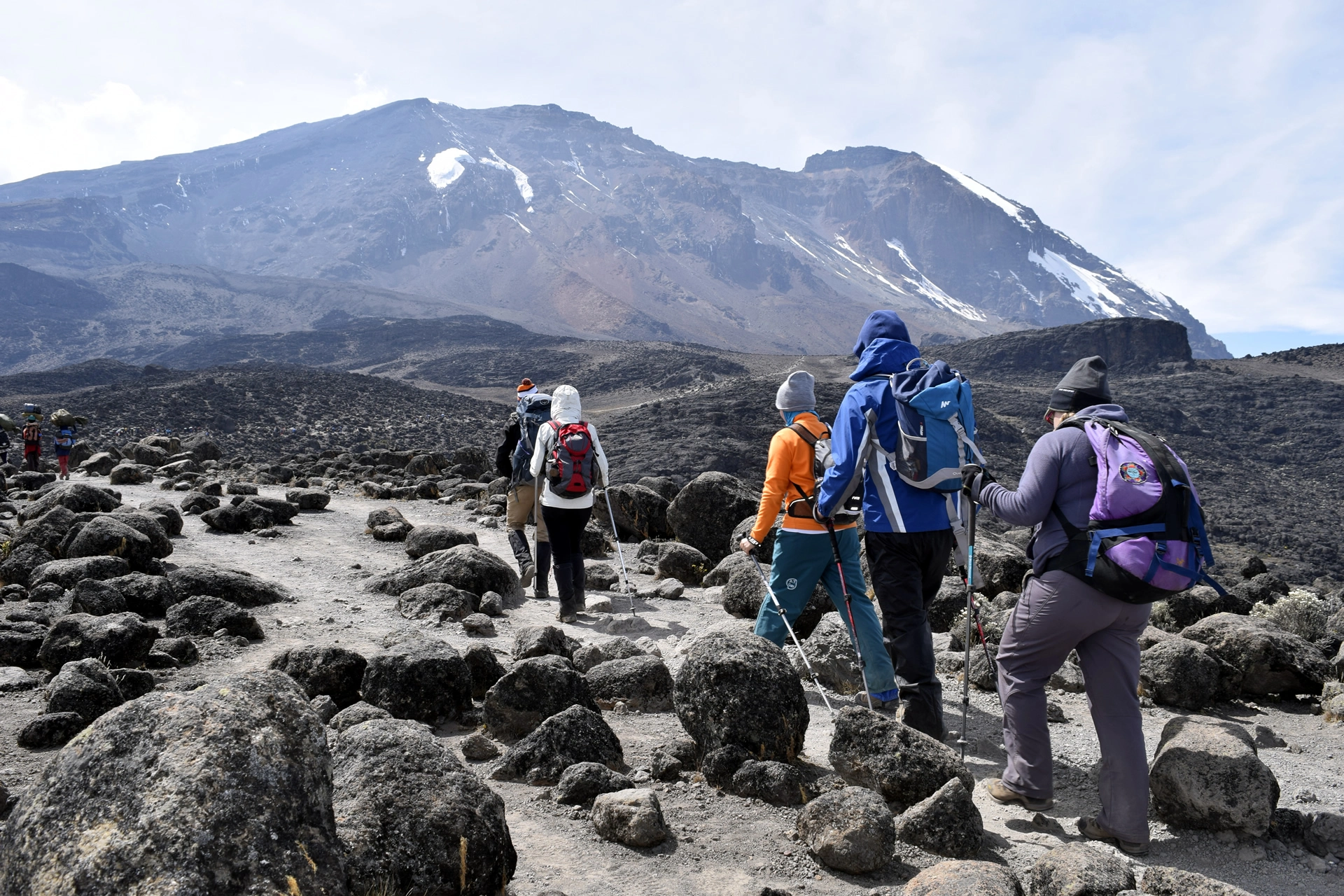
Czy do wspinaczki na Kilimandżaro potrzebny jest tlen?

One of the most common questions climbers ask before attempting Africa’s highest mountain is: Do you need oxygen to climb Kilimanjaro? The simple answer is no — climbers do not normally use supplemental oxygen on Mount Kilimanjaro. Unlike extremely high mountains such as Everest, Kilimanjaro is considered a high-altitude trek rather than a technical mountaineering … Dowiedz się więcej

Najlepsze trasy na prywatne lub rodzinne wyprawy na Kilimandżaro (bezpieczne, malownicze i elastyczne – przewodnik na rok 2026)

Best Routes for Private or Family Treks on Kilimanjaro (Safe, Scenic & Flexible – 2026 Guide)

Planning a private or family climb on Mount Kilimanjaro? Not all routes are ideal for children, mixed-age groups, or private luxury treks. 👉 Short Answer:The best routes for private or family treks are: Lemosho Route (Most Balanced & Scenic) Northern Circuit (Safest & Least Crowded) Marangu Route (Comfortable Hut Accommodation) Let’s break it down properly. … Dowiedz się więcej

Dlaczego aklimatyzacja jest kluczem do sukcesu na Kilimandżaro

Why Acclimatization Is the Key to Kilimanjaro Success

Climbing Mount Kilimanjaro is not just about fitness. It’s about how well your body adapts to altitude. The single biggest factor that determines whether you reach the summit or turn back early is acclimatization. Many climbers underestimate this. But altitude—not exhaustion—is the primary reason people fail to summit. If you understand how acclimatization works, you … Dowiedz się więcej

Codzienne kontrole zdrowia: jak przewodnicy monitorują Twoje bezpieczeństwo na Kilimandżaro

Daily Health Checks: How Guides Monitor Your Safety on Kilimanjaro

Climbing Mount Kilimanjaro is a life-changing adventure—but it’s also Climbing Mount Kilimanjaro is a life-changing adventure—but safety at high altitude is critical. One of the most important safety systems on the mountain is daily health checks on Kilimanjaro, conducted by experienced guides throughout the trek. These checks help identify altitude-related risks early and ensure every … Dowiedz się więcej

Dlaczego Kilimandżaro jest najbardziej dostępną górą wysokogórską

Why Kilimanjaro Is the Most Accessible High-Altitude Mountain

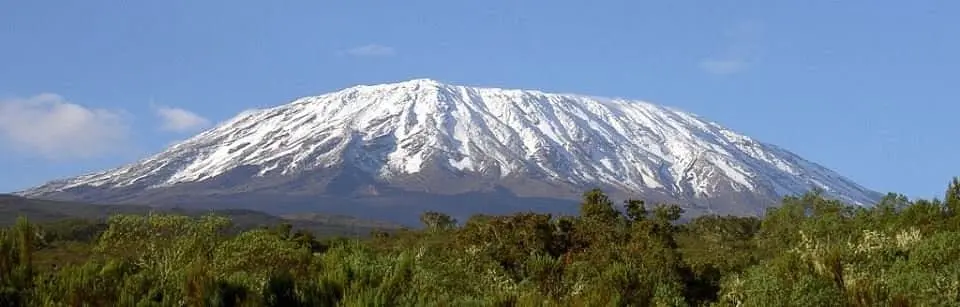
Mount Kilimanjaro is often described as the world’s most accessible high-altitude mountain — and for good reason. Rising to 5,895 meters (19,341 feet) above sea level, it is the tallest free-standing mountain on Earth, yet it requires no technical climbing skills, making it achievable for first-time high-altitude trekkers. In this guide, we’ll explain why Kilimanjaro … Dowiedz się więcej

Jak zapobiegać chorobie wysokościowej na Kilimandżaro (przewodnik 2026)

How to Prevent Altitude Sickness on Kilimanjaro (2026 Guide)

Altitude sickness is the number one reason climbers fail to reach the summit of Mount Kilimanjaro. It can affect anyone—regardless of age, fitness level, or trekking experience. The good news? With the right preparation, pacing, and route choice, you can significantly reduce your risk of altitude sickness on Kilimanjaro. This 2026 guide explains proven, expert-backed … Dowiedz się więcej

Przewodnik po chorobie wysokościowej na Kilimandżaro: objawy, zapobieganie i wskazówki dotyczące bezpieczeństwa

Climbing Mount Kilimanjaro is an incredible challenge, but altitude sickness remains the biggest risk for trekkers.Every climber — beginner or experienced — must understand how altitude affects the body and how to prevent dangerous situations while ascending Africa’s highest peak. This guide explains everything you need to know about altitude sickness on Kilimanjaro: symptoms, causes, … Dowiedz się więcej