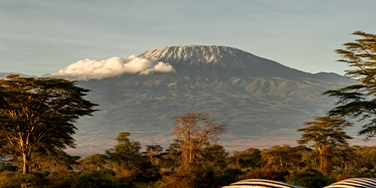
Scalare il Kilimangiaro è un'esperienza che cambia la vita. Tuttavia, scegliere un trekking economico sul Kilimangiaro può ridurre seriamente le possibilità di raggiungere la vetta in sicurezza.
In molti casi, gli operatori low cost lesinano sulla sicurezza, sull'acclimatamento e sulla qualità delle guide. Di conseguenza, gli alpinisti corrono maggiori rischi di mal di montagna sul Kilimangiaro e hanno minori probabilità di raggiungere la vetta.
👉 Pertanto, comprendere i rischi prima di prenotare è fondamentale.
Risposta rapida: I trekking economici sul Kilimangiaro sono pericolosi?
Sì, i trekking economici sul Kilimanjaro sono pericolosi perché spesso includono:
- Itinerari più brevi (5-6 giorni)
- Programmi di acclimatamento inadeguati
- Guide non adeguatamente formate
- Dotazioni di sicurezza limitate
- Debole supporto di emergenza
Di conseguenza, questi fattori aumentano il rischio di mal di montagna e di tentativi di raggiungere la vetta falliti.
Il vero motivo per cui le escursioni economiche sul Kilimangiaro falliscono
Gli operatori di bilancio riducono i costi tagliando i servizi essenziali.
Ad esempio, possono:
- Offrono percorsi più brevi con rapida salita
- Assumere guide meno esperte
- Saltare i giorni di acclimatamento
- Utilizzare attrezzature di qualità inferiore
- Portare con sé un supporto minimo di ossigeno
Per questo motivo, gli alpinisti faticano ad adattarsi correttamente all'altitudine.
👉 In realtà, il mal di montagna, e non la forma fisica, è la causa principale per cui le persone falliscono la scalata del Kilimangiaro.
Itinerari più brevi = Successo a vette più basse
Many cheap packages promote:
Although these options seem affordable, they come with serious risks.
🚨 Problems with short routes:
- Less time for acclimatization
- Faster elevation gain
- Rischio più elevato di AMS (mal di montagna acuto)
On the other hand, longer routes like:
- Percorso Lemosho (7–8 giorni)
- Percorso Machame (7 giorni)
provide a safer and more gradual ascent.
👉 As a result, longer routes significantly improve Kilimanjaro summit success rate.
7 Hidden Risks of Cheap Kilimanjaro Treks
1. Poor Guide Experience
Experienced guides are essential for safety.
They monitor:
- Livelli di ossigeno
- Altitude sickness symptoms
- Condizioni meteorologiche
However, cheap operators may hire undertrained staff.
2. Limited Emergency Equipment
Gli operatori affidabili trasportano:
- Ossigeno supplementare
- Pulsossimetri
- Kit di pronto soccorso
In contrast, budget treks may lack proper emergency gear.
👉 This becomes critical in high-altitude situations.
3. Weak Acclimatization Strategy
Proper Kilimanjaro acclimatization includes:
- Ascesa graduale
- Climb high, sleep low
- Extra days for adaptation
Unfortunately, cheap treks often skip these steps.
4. Poor Porter Treatment
Low-cost companies may:
- Underpay porters
- Provide inadequate food
- Lack proper shelter
As a result, this affects overall expedition safety and ethics.
5. Low-Quality Gear
Budget packages may include:
- Poor tents
- Inadequate sleeping gear
- Substandard equipment
👉 Therefore, climbers face discomfort and higher risk in harsh conditions.
6. Weak Emergency Response
In emergencies, response time matters.
However, cheap operators may lack:
- Evacuation planning
- Communication systems
- Medical protocols
7. Hidden Costs
Although the price looks low initially, extra costs often appear:
- Aggiornamenti del noleggio dell'attrezzatura
- Tariffe aggiuntive per il parco
- Evacuazione di emergenza
- Higher tipping expectations
👉 Ultimately, the “cheap” trek can become more expensive.

Why Acclimatization Matters More Than Price
Summiting Kilimanjaro depends on one key factor:
👉 Acclimatazione adeguata
Without it:
- Your body cannot adapt
- Altitude sickness risk increases
- Summit chances drop
Therefore, investing in a longer, safer itinerary is always worth it.
How to Choose a Safe Kilimanjaro Trek
Instead of focusing only on price, look for:
- 7–9 day itineraries
- Certified and experienced guides
- Monitoraggio sanitario quotidiano
- Proper oxygen and safety equipment
- Ethical porter treatment
👉 These factors directly impact your safety and success.
Final Verdict: Cheap Kilimanjaro Treks Are Not Worth the Risk
In conclusion, cheap Kilimanjaro treks may save money upfront—but they increase risk significantly.
- Lower safety standards
- Scarsa acclimatazione
- Reduced summit success
👉 Therefore, always prioritize safety, experience, and proper planning over price.
Domande frequenti
D1: I trekking economici sul Kilimangiaro sono sicuri?
D2: Perché le scalate più lunghe del Kilimangiaro sono migliori?
D3: Qual è il percorso più sicuro per scalare il Kilimangiaro?
D4: Il Kilimangiaro è pericoloso?
Prenota la tua consulenza GRATUITA
Written by: Khuwaja Muhammad Mubarak
WordPress Developer & SEO Specialist at Hashtech Creative
View Author Profile
 English
  Dutch
Dutch  French
  Czech
Czech  Spanish
  German
  Polish
  Italian
  Chinese
  Russian