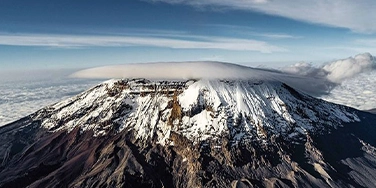
One of the biggest concerns for anyone planning to climb Mount Kilimanjaro is altitude sickness. Since Uhuru Peak rises to 5,895 meters (19,341 feet) above sea level, the amount of oxygen available decreases significantly as you ascend.
While many climbers choose to take Diamox (Acetazolamide) to help with acclimatization, thousands successfully reach the summit every year without medication.
The key is understanding how your body adapts to altitude and following proven natural strategies that reduce the risk of Acute Mountain Sickness (AMS).
This guide explains how to prevent altitude sickness naturally and improve your chances of reaching the Roof of Africa safely.
Quick Answer
The best natural ways to prevent altitude sickness on Kilimanjaro include choosing a longer route, climbing slowly (“Pole Pole”), staying hydrated, eating enough calories, sleeping well, and following your guide’s pace. Proper acclimatization is far more effective than relying on medication alone.
Why Does Altitude Sickness Happen?
As you climb higher, air pressure decreases and there is less oxygen available for your body.
Your body needs time to:
- Produce more red blood cells
- Improve oxygen efficiency
- Adapt your breathing
- Adjust your circulation
If you climb too quickly, your body cannot adapt fast enough, leading to altitude sickness.
Can You Climb Kilimanjaro Without Diamox?
Yes.
Many climbers successfully summit Kilimanjaro without taking Diamox.
Medication may help some people, but it cannot replace proper acclimatization.
The most important factors are:
- Route selection
- Trekking pace
- Hydration
- Nutrition
- Professional guide support
Always consult your doctor before deciding whether medication is appropriate for you.
1. Choose a Longer Route
The easiest way to reduce your risk is by selecting a route that allows more time for acclimatization.
Recommended routes include:
Northern Circuit
- 9 Days
- Highest summit success
- Excellent acclimatization
Lemosho Route
- 7–8 Days
- Scenic
- Outstanding acclimatization profile
Machame Route
- 7 Days
- Excellent “Climb High, Sleep Low” itinerary
Shorter routes increase the risk of altitude sickness because your body has less time to adjust.

2. Walk Slowly — "Pole Pole"
In Tanzania, guides often remind climbers:
“Pole Pole” (Slowly, Slowly).
Walking slowly helps:
- Conserve energy
- Reduce heart rate
- Improve oxygen efficiency
- Support acclimatization
Many first-time climbers struggle because they try to hike too fast during the early days.
Trust your guide’s pace—even if it feels slower than normal.
3. Drink Plenty of Water
Dehydration makes altitude symptoms worse.
Aim to drink:
- 3–4 liters of water per day
Proper hydration helps your body:
- Regulate temperature
- Improve circulation
- Reduce headaches
- Support acclimatization
Many guides encourage climbers to drink regularly, even if they don’t feel thirsty.
4. Eat Even When You're Not Hungry
High altitude often reduces appetite, but your body needs extra calories.
Choose foods rich in:
- Carbohydrates
- Protein
- Healthy fats
- Fruits
- Vegetables
Mountain chefs prepare balanced meals to keep your energy levels stable throughout the trek.
5. Get Enough Rest
Quality sleep helps your body recover and adapt to altitude.
To improve sleep:
- Stay warm
- Drink enough water
- Eat dinner
- Avoid alcohol
- Relax before bedtime
Don’t worry if you sleep lightly—this is common at high altitude.
6. Listen to Your Body
Everyone acclimatizes differently.
Never ignore symptoms such as:
- Persistent headache
- Nausea
- Dizziness
- Extreme fatigue
Inform your guide immediately.
Early action prevents minor symptoms from becoming serious.
7. Avoid Alcohol Before and During the Trek
Alcohol can:
- Increase dehydration
- Affect sleep quality
- Make altitude symptoms worse
It’s best to avoid alcohol before your climb and throughout the expedition.
8. Practice Good Physical Fitness
Fitness doesn’t prevent altitude sickness directly, but it helps you cope better with long trekking days.
Before your climb:
- Walk regularly
- Hike on hills
- Build leg strength
- Improve cardiovascular fitness
Well-prepared climbers recover faster during the trek.
9. Trust Your Guides
Experienced Kilimanjaro guides are trained to recognize early signs of altitude sickness.
At Kilimanjaro Climbing Club, guides monitor climbers using:
- Pulse oximeters
- Heart-rate checks
- Health assessments
- Daily wellness questions
Your safety is always the top priority.
Natural Acclimatization vs Medication
| Natural Acclimatization | Medication (Diamox) |
|---|---|
| Helps your body adapt naturally | Helps speed acclimatization |
| No medication side effects | May cause tingling or increased urination |
| Recommended for all climbers | Optional and doctor-approved |
| Works best with longer routes | Supports—not replaces—good acclimatization |
The best approach is to combine natural acclimatization with professional guidance.
Common Mistakes That Increase Altitude Risk
Avoid these common errors:
- Choosing a route that’s too short
- Hiking too fast
- Drinking too little water
- Skipping meals
- Ignoring early symptoms
- Arriving tired after long travel
- Hiding symptoms from your guide
Most serious altitude problems begin with small symptoms that are ignored.
Why Kilimanjaro Climbing Club Prioritizes Your Safety
Our experienced guides follow internationally recognized safety procedures.
Every climb includes:
- Twice-daily health monitoring
- Oxygen saturation checks
- Emergency oxygen
- Experienced mountain guides
- Safe climbing pace
- Immediate descent if necessary
Our focus is not only helping you reach the summit—but ensuring you return safely.
Final Thoughts
Altitude sickness is the greatest challenge on Mount Kilimanjaro—but it is also one of the most manageable with proper preparation. By choosing a longer route, hiking slowly, staying hydrated, eating well, and trusting experienced guides, you can dramatically improve your chances of reaching Uhuru Peak safely.
At Kilimanjaro Climbing Club, we combine expert guidance, daily health monitoring, and carefully planned itineraries to help climbers acclimatize naturally and enjoy a safe, successful journey to Africa’s highest mountain.

 English
  Dutch
Dutch  French
  Czech
Czech  Spanish
  German
  Polish
  Italian
  Chinese
  Russian