
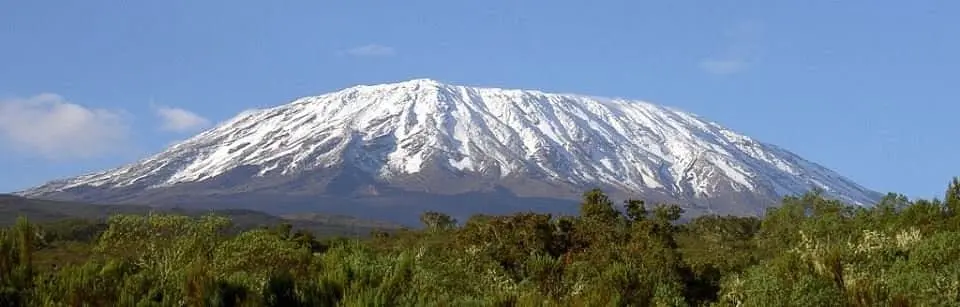
Der Kilimandscharo wird oft als der am einfachsten zugängliche Hochgebirge der Welt bezeichnet – und das aus gutem Grund. Mit einer Höhe von 5.895 Metern über dem Meeresspiegel ist er der höchste freistehende Berg der Erde, erfordert aber keine technischen Kletterkenntnisse und ist somit auch für Trekking-Neulinge in großer Höhe geeignet.
In diesem Leitfaden erklären wir warum sich der Kilimandscharo von anderen hohen Bergen unterscheidet, was ihn zugänglich macht und wie die richtige Planung und Unterstützung diese legendäre Herausforderung in ein sicheres und unvergessliches Erlebnis verwandeln können.
1. Keine technischen Kletterkenntnisse erforderlich
Im Gegensatz zu vielen berühmten Hochgebirgsgipfeln wie Everest, Aconcagua oder Denali benötigt man für die Besteigung des Kilimandscharo weder Seile noch Eispickel oder eine Bergsteigerausbildung.
Kein Klettern
Keine Gletscherbefahrungen (auf Standardrouten)
Keine technische Ausrüstung
Die Wanderer steigen auf befestigten Wegen zum Gipfel hinauf, was den Kilimandscharo zu einem echten Trekkinggipfel macht, nicht zu einer Bergsteigerexpedition.
Dies ist einer der Hauptgründe, warum der Kilimandscharo Bergsteiger aus aller Welt anzieht, darunter:
Erstmalige Höhenwanderer
Abenteurer über 40 oder 50
Wohltätigkeitskletterer und Alleinreisende
2. Stufenweise Routen zur Akklimatisierung
Zugänglichkeit bedeutet nicht „einfach“ – die Höhe bleibt eine echte Herausforderung. Der Kilimandscharo bietet jedoch mehrere Routen mit allmählichem Höhenanstieg, die eine optimale Akklimatisierung ermöglichen.
Beliebte Routen wie:
Lemosho-Route
Machame-Route
Northern Circuit Route
Befolgen Sie das hoch steigen, niedrig schlafen-Prinzip, um Ihrem Körper Zeit zu geben, sich an den niedrigeren Sauerstoffgehalt anzupassen.
Bei richtiger Routenwahl und angemessenem Tempo können die Gipfelerfolgsquoten 90% übersteigen, insbesondere bei längeren Routen.
3. Professionelles Support-Team bei jedem Aufstieg
Ein weiterer Grund für die gute Erreichbarkeit des Kilimandscharo ist das obligatorische Bergführersystem in Tansania. Jeder Bergsteiger muss mit einem lizenzierten Reiseveranstalter unterwegs sein, sodass man nie allein am Berg ist.
Ein typisches Kilimandscharo-Team besteht aus:
Zertifizierte Bergführer
Hilfsführer
Trägerinnen
Professionelle Bergköche
Beim Kilimanjaro Climbing Club überwachen die Guides:
Sauerstoffsättigungsniveaus
Herzfrequenz
Symptome der Höhenkrankheit
Durch diese ständige Überwachung wird das Risiko deutlich verringert und das Selbstvertrauen der Kletterer gestärkt.
4. Gut ausgebaute Infrastruktur am Berg
Der Kilimandscharo ist keine abgelegene Wildnis wie viele andere hohe Gipfel. Der Berg hat:
Deutlich markierte Wanderwege
Ausgewiesene Lager und Hütten
Rettungsdienste sind auf allen Strecken verfügbar.
Die Marangu-Route bietet sogar Berghütten, während andere Routen voll ausgestattete Zeltlager mit Speisezelten und Schlafgelegenheiten bieten.
Diese Infrastruktur vereinfacht die Logistik und macht das Gesamterlebnis deutlich komfortabler als bei den meisten anderen Höhenexpeditionen.
5. Keine Vorerfahrung im Höhenbereich erforderlich
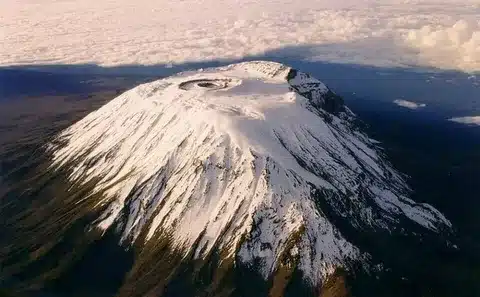
Viele erfolgreiche Kilimandscharo-Besteiger waren noch nie über 3.000 Metern. Mit der richtigen Vorbereitung, dem passenden Training und der richtigen Einteilung der Kräfte erreichen Höhenneulinge regelmäßig den Gipfel.
Was am wichtigsten ist:
Den richtigen Weg wählen
Planen Sie genügend Tage ein
Ausreichend Flüssigkeit zu sich nehmen
Den Anweisungen Ihrer Führer folgen
Der Kilimandscharo beweist, dass mentale Stärke und Vorbereitung wichtiger sind als technisches Können.
6. Gute Erreichbarkeit und einfache Logistik
Der Kilimandscharo ist einer der am einfachsten zu erreichenden hohen Berge weltweit.
Internationale Flüge landen am Kilimanjaro International Airport (JRO)
Kurze Transfers zu den Ausgangspunkten der Wanderwege
Keine extremen Wetterfenster wie im Himalaya.
Trekking-Saison das ganze Jahr über (beste Monate variieren)
Die Visabestimmungen für Tansania sind unkompliziert, und das Land zählt zu den stabilsten und gastfreundlichsten Reisezielen Afrikas.
7. Ein Gipfel, der sich wirklich erreichbar anfühlt
Auf dem Uhuru Peak, dem höchsten Punkt Afrikas, zu stehen, ist ein lebensverändernder Moment – und der Kilimandscharo bietet dieses Erlebnis ohne die extremen Risiken, die mit anderen Hochgebirgsbergen verbunden sind.
Dieses Gleichgewicht von:
Herausforderung
Sicherheit
Zugänglichkeit
Das ist es, was den Kilimandscharo einzigartig macht.
Schlussbetrachtung: Barrierefreiheit bedeutet nicht einfach – sie bedeutet möglich
Der Kilimandscharo ist nach wie vor eine große körperliche und mentale Herausforderung. Höhe, Wetter und Ausdauer spielen dabei eine entscheidende Rolle. Doch im Gegensatz zu vielen anderen hohen Bergen ist der Erfolg am Kilimandscharo mit der richtigen Anleitung auch für Laien erreichbar.
Mit dem richtigen Anbieter, der richtigen Route und der richtigen Einstellung wird der Kilimandscharo nicht nur erreichbar, sondern auch zu einem Ort der Selbstermächtigung.
Wenn Sie jemals davon geträumt haben, auf dem Dach Afrikas zu stehen, ist der Kilimandscharo der Berg, der diesen Traum realistisch macht.
 English
  Dutch
Dutch  French
  Czech
Czech  Spanish
  German
  Polish
  Italian
  Chinese
  Russian