Climbing Mount Kilimanjaro is a life-changing adventure—but it’s also
Climbing Mount Kilimanjaro is a life-changing adventure—but safety at high altitude is critical. One of the most important safety systems on the mountain is daily health checks on Kilimanjaro, conducted by experienced guides throughout the trek.
These checks help identify altitude-related risks early and ensure every climber remains healthy enough to continue safely.
a high-altitude trek where health and safety come first. One of the most important safety measures on the mountain is the daily health checks conducted by professional guides.
At Kilimanjaro Climbing Club, daily health monitoring is a non-negotiable part of every climb. These checks help detect early warning signs, prevent serious altitude issues, and ensure every climber has the best possible chance of reaching the summit saf
🩺 What Are Daily Health Checks on Kilimanjaro?
Daily health checks are routine medical assessments performed by guides, usually twice a day—morning and evening. Their goal is to monitor how your body is adapting to altitude and detect any warning signs early.
Guides are trained to assess both physical symptoms and vital signs, allowing them to act before problems become serious.
📊 What Do Guides Monitor Each Day?
🔹 Oxygen Saturation (SpO₂)
Guides use a pulse oximeter to measure how much oxygen is in your blood. A drop in oxygen levels is a key indicator of altitude stress.
🔹 Heart Rate
An unusually high resting heart rate may signal altitude sickness or dehydration.
🔹 Blood Pressure (if needed)
In certain situations, guides may also monitor blood pressure to ensure overall stability.
🔹 AMS Questionnaire
Climbers answer a short questionnaire covering:
Headaches
Nausea
Dizziness
Fatigue
Sleep quality
This helps identify early symptoms of Acute Mountain Sickness (AMS).
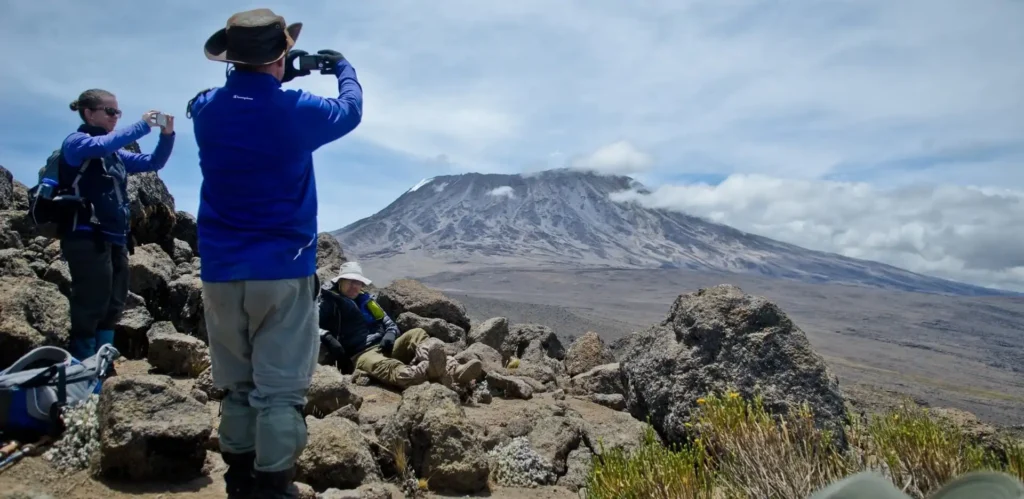
🚨 How Guides Respond to Warning Signs
If any issues are detected, guides take immediate action, which may include:
Slowing the pace
Adding extra rest stops
Increasing hydration and food intake
Administering oxygen
Descending to a lower altitude if necessary
Your safety always comes before reaching the summit.
👨⚕️ Why Professional Guides Matter on Kilimanjaro
Mount Kilimanjaro doesn’t require technical climbing skills, but altitude makes it unpredictable. Daily health checks:
Reduce severe altitude sickness cases
Increase safe summit attempts
Give climbers confidence and peace of mind
At Kilimanjaro Climbing Club, your health is monitored continuously, so you can focus on enjoying the journey.
🏔️ Daily Health Checks = Higher Summit Success
Guides ask specific questions about:
Headache
Nausea or vomiting
Dizziness
Fatigue
Sleep quality
These answers are scored using recognized altitude assessment systems.
 English
  Dutch
Dutch  French
  Czech
Czech  Spanish
  German
  Polish
  Italian
  Chinese
  Russian
3 thoughts on “Daily Health Checks: How Guides Monitor Your Safety on Kilimanjaro”