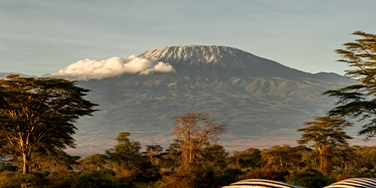
Climbing Mount Kilimanjaro is a life-changing experience. However, choosing a cheap Kilimanjaro trek can seriously reduce your chances of reaching the summit safely.
In many cases, low-cost operators cut corners on safety, acclimatization, and guide quality. As a result, climbers face higher risks of altitude sickness on Kilimanjaro and lower summit success rates.
👉 Therefore, understanding the risks before booking is critical.
Quick Answer: Are Cheap Kilimanjaro Treks Dangerous?
Yes—cheap Kilimanjaro treks are dangerous because they often include:
- Shorter itineraries (5–6 days)
- Poor acclimatization schedules
- Undertrained guides
- Limited safety equipment
- Weak emergency support
Consequently, these factors increase the risk of altitude sickness and failed summit attempts.
The Real Reason Cheap Kilimanjaro Treks Fail
Budget operators reduce costs by cutting essential services.
For example, they may:
- Offer shorter routes with rapid ascent
- Hire less experienced guides
- Skip acclimatization days
- Use lower-quality gear
- Carry minimal oxygen support
Because of this, climbers struggle to adapt to altitude properly.
👉 In fact, altitude sickness—not fitness—is the #1 reason people fail on Kilimanjaro.
Shorter Itineraries = Lower Summit Success
Many cheap packages promote:
Although these options seem affordable, they come with serious risks.
🚨 Problems with short routes:
- Less time for acclimatization
- Faster elevation gain
- Higher AMS (Acute Mountain Sickness) risk
On the other hand, longer routes like:
- Lemosho Route (7–8 days)
- Machame Route (7 days)
provide a safer and more gradual ascent.
👉 As a result, longer routes significantly improve Kilimanjaro summit success rate.
7 Hidden Risks of Cheap Kilimanjaro Treks
1. Poor Guide Experience
Experienced guides are essential for safety.
They monitor:
- Oxygen levels
- Altitude sickness symptoms
- Weather conditions
However, cheap operators may hire undertrained staff.
2. Limited Emergency Equipment
Reliable operators carry:
- Supplemental oxygen
- Pulse oximeters
- First aid kits
In contrast, budget treks may lack proper emergency gear.
👉 This becomes critical in high-altitude situations.
3. Weak Acclimatization Strategy
Proper Kilimanjaro acclimatization includes:
- Gradual ascent
- Climb high, sleep low
- Extra days for adaptation
Unfortunately, cheap treks often skip these steps.
4. Poor Porter Treatment
Low-cost companies may:
- Underpay porters
- Provide inadequate food
- Lack proper shelter
As a result, this affects overall expedition safety and ethics.
5. Low-Quality Gear
Budget packages may include:
- Poor tents
- Inadequate sleeping gear
- Substandard equipment
👉 Therefore, climbers face discomfort and higher risk in harsh conditions.
6. Weak Emergency Response
In emergencies, response time matters.
However, cheap operators may lack:
- Evacuation planning
- Communication systems
- Medical protocols
7. Hidden Costs
Although the price looks low initially, extra costs often appear:
- Gear rental upgrades
- Additional park fees
- Emergency evacuation
- Higher tipping expectations
👉 Ultimately, the “cheap” trek can become more expensive.

Why Acclimatization Matters More Than Price
Summiting Kilimanjaro depends on one key factor:
👉 Proper acclimatization
Without it:
- Your body cannot adapt
- Altitude sickness risk increases
- Summit chances drop
Therefore, investing in a longer, safer itinerary is always worth it.
How to Choose a Safe Kilimanjaro Trek
Instead of focusing only on price, look for:
- 7–9 day itineraries
- Certified and experienced guides
- Daily health monitoring
- Proper oxygen and safety equipment
- Ethical porter treatment
👉 These factors directly impact your safety and success.
Final Verdict: Cheap Kilimanjaro Treks Are Not Worth the Risk
In conclusion, cheap Kilimanjaro treks may save money upfront—but they increase risk significantly.
- Lower safety standards
- Poor acclimatization
- Reduced summit success
👉 Therefore, always prioritize safety, experience, and proper planning over price.
FAQ's
Q1: Are cheap Kilimanjaro treks safe?
Q2: Why are longer Kilimanjaro climbs better?
Q3: What is the safest route to climb Kilimanjaro?
Q4: Is Kilimanjaro dangerous?
Book Your Free Consultation
Written by: Khuwaja Muhammad Mubarak
WordPress Developer & SEO Specialist at Hashtech Creative
View Author Profile
 English
  Dutch
Dutch  French
  Czech
Czech  Spanish
  German
  Polish
  Italian
  Chinese
  Russian