
Choosing the right route is one of the most important decisions when planning a Kilimanjaro climb. Many first-time trekkers ask: What is the best route for first-time Kilimanjaro climbers?
The best route for beginners is generally considered to be the Lemosho Route because it offers excellent acclimatization, beautiful scenery, and a high summit success rate. However, other routes such as Machame Route and Northern Circuit Route are also great options depending on your schedule and experience level.
Selecting a route with a longer itinerary and gradual altitude gain greatly improves the chances of reaching the summit successfully.
Which Kilimanjaro Route Is Best for Beginners?
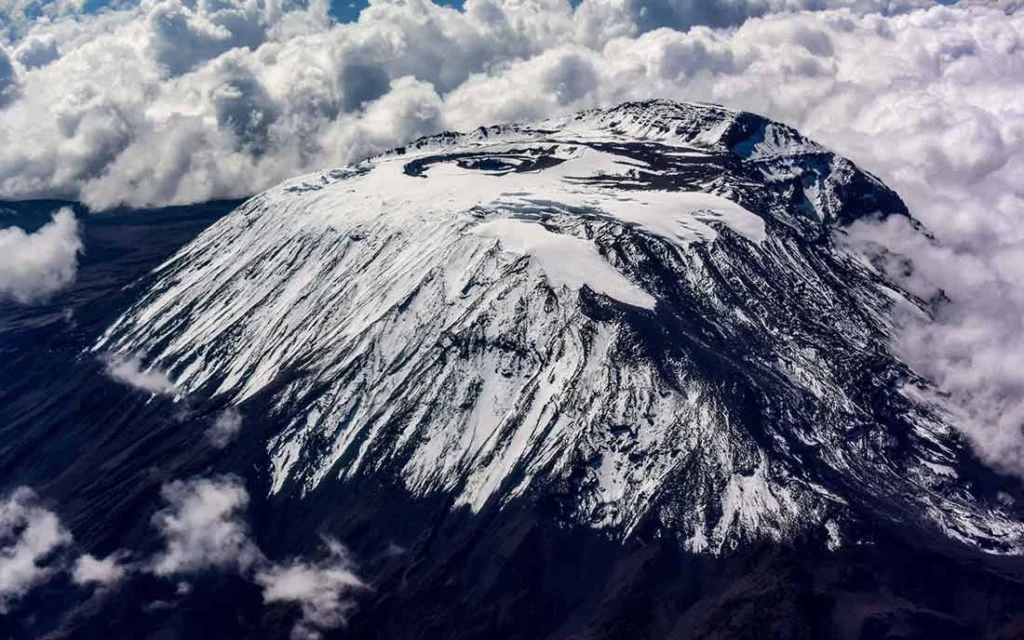
For most first-time climbers, the Lemosho Route is widely regarded as the best option.
Why Lemosho Is Ideal for Beginners
The Lemosho Route provides a gradual ascent profile, allowing climbers more time to adjust to altitude. This improves comfort and increases summit success rates.
Key advantages include:
Excellent acclimatization profile
High summit success rates
Less crowded in the early stages
Stunning scenery and diverse landscapes
Flexible 7–8 day itineraries
These factors make Lemosho one of the most recommended routes for beginners attempting Kilimanjaro.
Other Good Kilimanjaro Routes for First-Time Climbers
While Lemosho is often considered the best, several other routes are also suitable for beginners.
Machame Route
The Machame Route is one of the most popular Kilimanjaro routes.
Benefits of the Machame Route include:
Scenic landscapes
Good acclimatization when done over 7 days
Well-established camps and infrastructure
Because of its popularity, Machame can be busier than other routes, but it remains a strong choice for first-time climbers.
Northern Circuit Route
Marangu Route
Duration: 5–6 days
This is one of the shortest routes on Kilimanjaro. While it is popular, the shorter schedule provides less time for acclimatization, which may reduce summit success rates.
Machame Route
Duration: 6–7 days
The Machame Route is one of the most popular routes because it offers scenic views and a good acclimatization profile when climbed over seven days.
Lemosho Route
Duration: 7–8 days
The Lemosho Route is widely considered one of the best routes for climbers. It provides excellent scenery and gradual altitude gain, making it ideal for improving summit success rates.
Rongai Route
Duration: 6–7 days
The Rongai Route approaches Kilimanjaro from the northern side of the mountain and is known for its quieter trails and steady ascent.
Northern Circuit Route
Duration: 8–9 days
The Northern Circuit is the longest route on Kilimanjaro. The extended duration allows the best acclimatization, making it one of the routes with the highest summit success rates.
What Happens During a Kilimanjaro Climb?
A typical Kilimanjaro trek includes several stages:
Arrival and briefing
Climbers arrive in Tanzania and meet their guides for preparation.
Gradual ascent
Trekkers hike through different ecosystems while slowly gaining elevation.
Acclimatization days
Some routes include extra hiking days to help the body adjust to altitude.
Summit night
Climbers begin the final ascent around midnight to reach the summit at sunrise.
Descent
After reaching the summit, climbers descend back down the mountain over one or two days.
Is a Longer Kilimanjaro Climb Better?
Yes, longer climbs generally provide a higher chance of reaching the summit.
Benefits of longer itineraries include:
Better acclimatization
Reduced risk of altitude sickness
Less physical exhaustion
Higher summit success rates
Many trekking operators recommend choosing at least a 7-day itinerary whenever possible.
Can You Climb Kilimanjaro Faster?
Some itineraries offer 5-day climbs, but they are not recommended for most climbers.
Shorter climbs increase the risk of altitude sickness because the body does not have enough time to adjust to the elevation.
While experienced trekkers may attempt faster climbs, beginners usually have a much better experience on longer routes.
Tips for Choosing the Right Kilimanjaro Duration
When planning your trek, consider these important factors.
Choose a route with good acclimatization
Routes such as Lemosho or Northern Circuit provide gradual elevation gain.
Allow extra days if possible
More time on the mountain increases summit success chances.
Consider your fitness level
Longer itineraries allow a slower pace and reduce fatigue.
Climb with experienced guides
Professional guides help manage pacing and monitor altitude symptoms.
Final Answer: How Many Days Does It Take to Climb Kilimanjaro?
Most climbers take 6 to 9 days to climb Mount Kilimanjaro. The exact duration depends on the route and itinerary chosen. While shorter routes exist, a 7–8 day climb is generally recommended because it provides better acclimatization and improves the chances of successfully reaching the summit.
For beginners and experienced trekkers alike, choosing the right duration is essential for a safe and enjoyable Kilimanjaro adventure.
 English
  Dutch
Dutch  French
  Czech
Czech  Spanish
  German
  Polish
  Italian
  Chinese
  Russian