
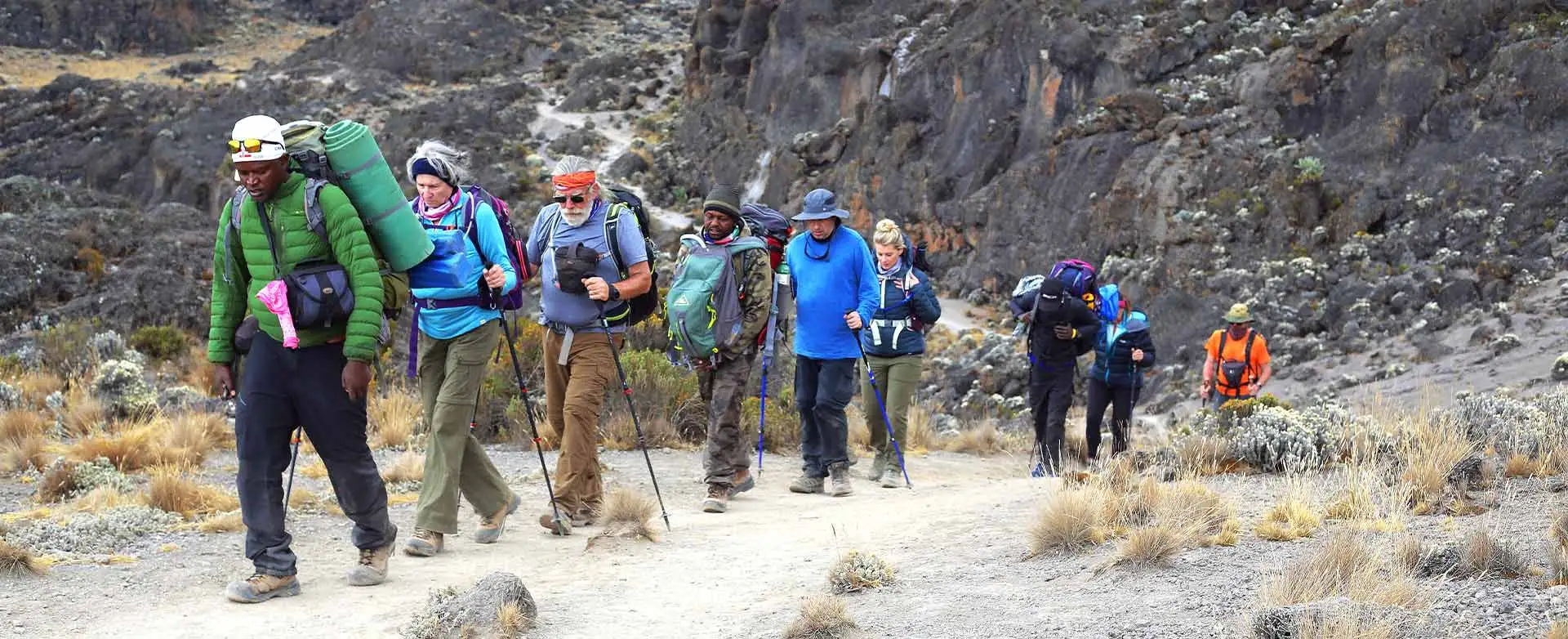
Climbing Mount Kilimanjaro is a life-changing adventure, but many first-time climbers underestimate the mountain. Most failed summits happen not because of fitness, but due to avoidable mistakes. Knowing these errors in advance can dramatically increase your chances of reaching Uhuru Peak safely.
Below are the most common mistakes first-time Kilimanjaro climbers make — and how to avoid them.
1. Choosing the Wrong Kilimanjaro Route
Many beginners select the cheapest or shortest route, assuming all routes are the same. This is one of the biggest mistakes.
Short routes like Umbwe or rushed itineraries don’t allow enough time for acclimatization, increasing the risk of altitude sickness.
✅ Better choice:
Routes like Lemosho, Machame, or the Northern Circuit offer better acclimatization and higher success rates.
2. Underestimating Altitude Sickness
Kilimanjaro’s altitude (5,895m) affects everyone — regardless of age or fitness. Many first-time climbers ignore early symptoms like headaches or nausea.
Altitude sickness is the #1 reason climbers fail to summit.
✅ Avoid this mistake by:
Walking slowly (pole pole)
Drinking 3–4 liters of water daily
Choosing longer routes
Trusting your guides’ health checks
👉 Read more: How to Prevent Altitude Sickness on Kilimanjaro
3. Packing the Wrong Gear
Improper gear causes discomfort, cold exposure, and exhaustion. Common mistakes include:
Cheap boots not broken in
Inadequate layering
Poor-quality sleeping bags
Cold nights and summit conditions can drop below -15°C.
✅ Solution:
Follow a proven Kilimanjaro packing list and invest in quality essentials, especially boots and insulation layers.
4. Going Too Fast (“Summit Fever”)
First-time climbers often rush, trying to “push through” fatigue. This dramatically increases altitude sickness risk.
Kilimanjaro rewards patience — not speed.
✅ Golden rule:
Slow pace = higher success rate.
Professional guides strictly control pace to protect your health and maximize summit chances.
5. Skipping Physical & Mental Preparation
While Kilimanjaro is a trek, not a technical climb, it still requires preparation.
Mistakes include:
No cardio training
No hiking experience
Ignoring mental readiness
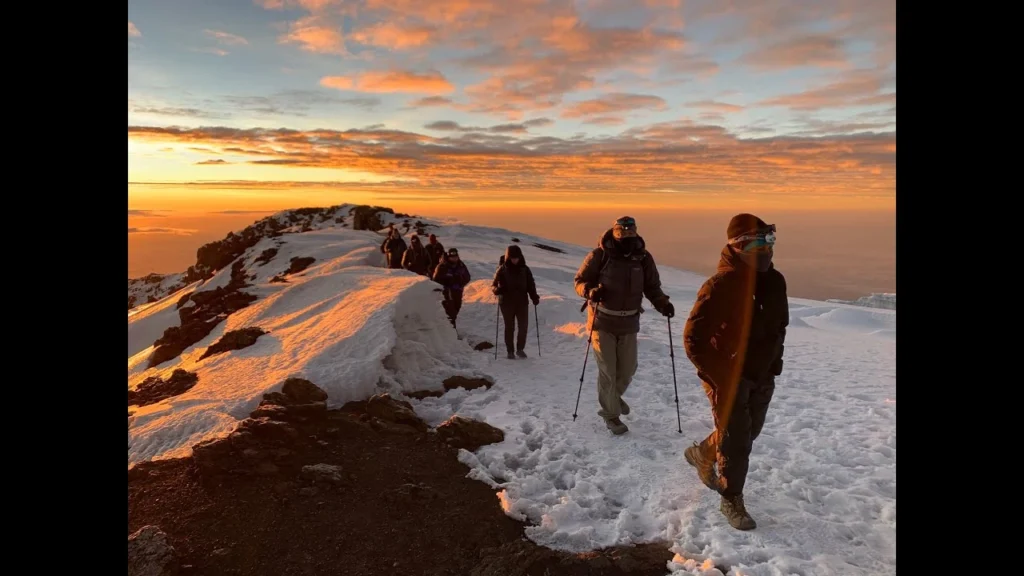
Summit night can last 12–15 hours in extreme conditions.
✅ Preparation tips:
Stair climbing, hiking, cycling
Strengthen legs and core
Train mental endurance
6. Choosing Cheap or Inexperienced Operators
Low-cost operators often cut corners on:
Safety
Guide training
Food quality
Equipment
Emergency support
This puts climbers at serious risk.
✅ Always choose operators who:
Perform daily health checks
Carry oxygen & first aid kits
Employ certified mountain guides
Offer proper acclimatization plans
7. Ignoring Guide Advice
Some first-time climbers don’t listen when guides recommend rest days, hydration, or descent.
Guides monitor:
Oxygen levels
Heart rate
AMS symptoms
Ignoring them is dangerous.
✅ Trust your guides — they are trained to keep you safe.
🎯 Final Thoughts
Most first-time Kilimanjaro mistakes are completely avoidable with proper planning, the right route, and experienced guides.
A successful summit isn’t about strength — it’s about smart decisions.
If you’re planning your first climb, expert guidance makes all the difference.
👉 Book a Free Kilimanjaro Consultation with our trekking experts and climb with confidence.
 English
  Dutch
Dutch  French
  Czech
Czech  Spanish
  German
  Polish
  Italian
  Chinese
  Russian