Is climbing Kilimanjaro safe?
Climbing Mount Kilimanjaro is one of the most achievable high-altitude adventures in the world—but one question every climber asks before booking is:
The short answer is yes, when it’s done with the right preparation, route choice, and experienced guides. In this guide, we break down the real risks, safety measures, and what reputable operators do to keep climbers safe on Africa’s highest mountain.
Understanding the Real Risks of Kilimanjaro
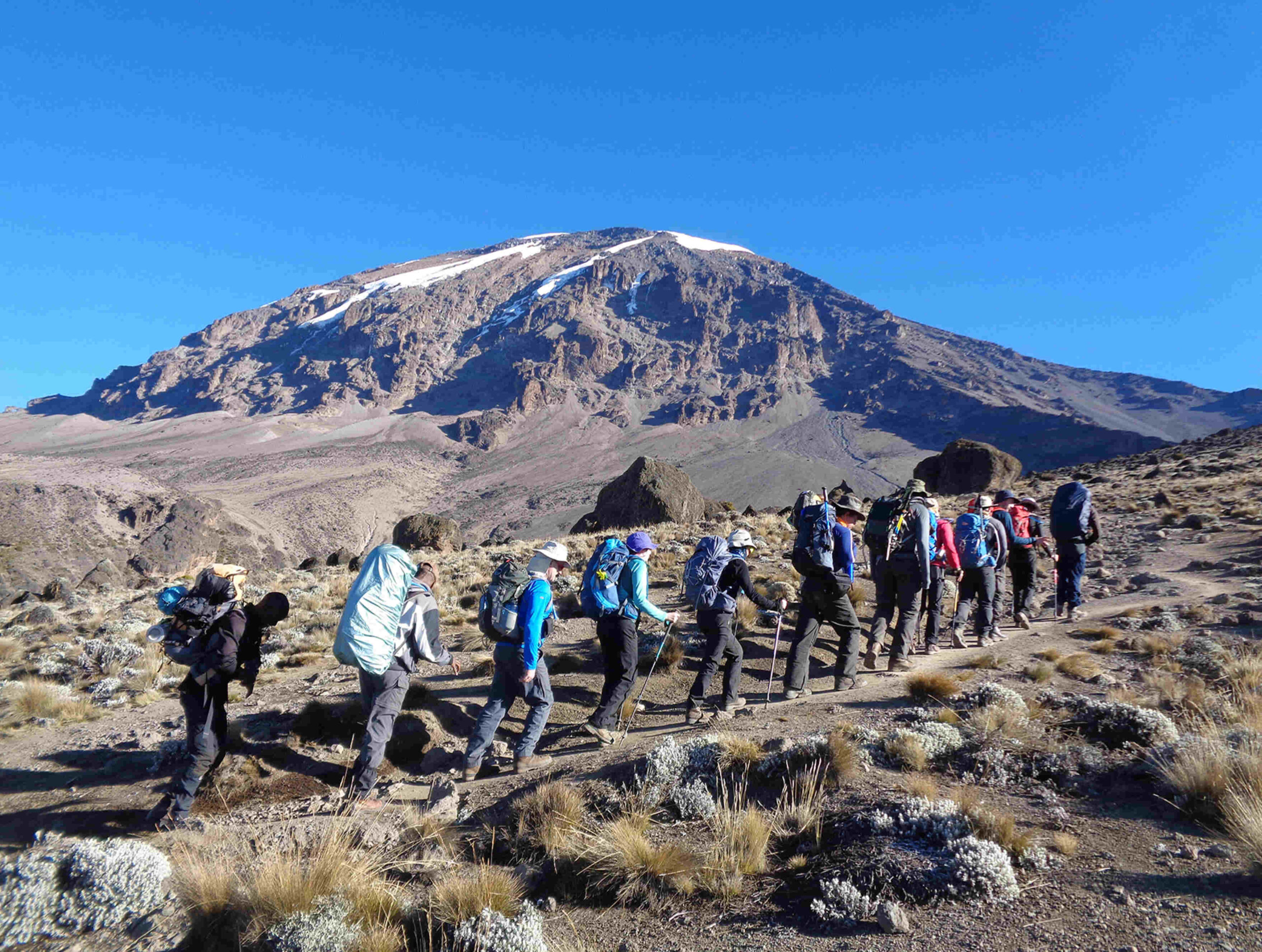
Kilimanjaro is not a technical climb—no ropes, ice axes, or mountaineering skills are required. However, the main challenge is altitude, not difficulty.
Common risks include:
-
Altitude sickness
-
Fatigue and dehydration
-
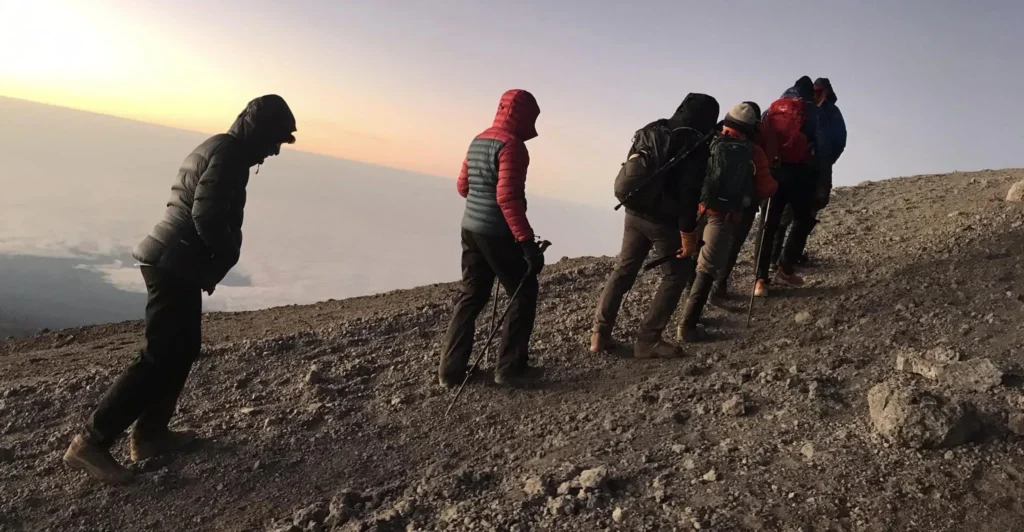
Cold temperatures on summit night
-
Poor preparation or rushed itineraries
Most safety issues arise when climbers:
-
Choose short routes
-
Ignore acclimatization
-
Walk too fast
-
Hide symptoms
Altitude Sickness: The Biggest Safety Factor
Altitude sickness can affect anyone, regardless of age or fitness.
Mild symptoms:
-
Headache
-
Nausea
-
Fatigue
-
Dizziness
Severe conditions (rare but serious):
-
HAPE (fluid in lungs)
-
HACE (swelling of the brain)
👉 This is why daily health checks and proper pacing are critical on Kilimanjaro.
How Professional Guides Keep Climbers Safe
Reputable operators follow strict safety protocols throughout the climb.
At Kilimanjaro Climbing Club, safety includes:
-
Daily oxygen saturation monitoring
-
Heart rate checks
-
Health questionnaires
-
Continuous symptom observation
-
Immediate action when warning signs appear
If needed, guides will slow the pace, add rest, or descend—summit always comes second to safety.
Route Choice Matters for Safety
Not all Kilimanjaro routes are equally safe.
Safer routes (better acclimatization):
-
Lemosho Route
-
Machame Route
-
Northern Circuit Route
Higher-risk routes (shorter):
-
Marangu (short itineraries)
-
Umbwe (steep & direct)
Longer routes dramatically improve acclimatization and reduce altitude-related risks.
Camp Infrastructure & Support Crew
Safety doesn’t stop on the trail—it continues at camp.
Good operators provide:
-
Quality sleeping tents
-
Warm sleeping systems
-
Nutritious meals
-
Clean water
-
Dedicated support crew
Rest, nutrition, and hydration are essential for recovery at altitude.
Weather & Seasonal Safety
Kilimanjaro can be climbed year-round, but conditions vary.
Best months for safer climbs:
-
January–March
-
June–October
These periods offer more stable weather and clearer summit conditions.
Is Kilimanjaro Safe for First-Time Trekkers?
Yes—many climbers summit Kilimanjaro as their first high-altitude trek.
What matters most:
-
Choosing the right route
-
Walking slowly (pole pole)
-
Listening to guides
-
Staying hydrated
-
Reporting symptoms early
Fitness helps, but preparation and patience matter more.
Final Verdict: Is Climbing Kilimanjaro Safe?
Kilimanjaro is safe when climbed responsibly.
With:
-
Experienced guides
-
Proper acclimatization
-
Daily health monitoring
-
Ethical, well-supported crews
…Kilimanjaro becomes one of the safest high-altitude mountains in the world.
At Kilimanjaro Climbing Club, your safety is never a checklist—it’s a system followed every day on the mountain.
🎯 Start Your Safe Kilimanjaro Journey
👉 Learn more: https://kilimanjaroclimbingclub.com/
👉 Routes: https://kilimanjaroclimbingclub.com/kilimanjaro-routes-and-maps/
👉 Preparation Guide: https://kilimanjaroclimbingclub.com/kilimanjaro-trek-preparation/
👉 Contact the Experts: https://kilimanjaroclimbingclub.com/contact-kilimanjaro-trekking-experts/
 English
  Dutch
Dutch  French
  Czech
Czech  Spanish
  German
  Polish
  Italian
  Chinese
  Russian