Altitude sickness is the number one reason climbers fail to reach the summit of Mount Kilimanjaro. It can affect anyone—regardless of age, fitness level, or trekking experience.
The good news? With the right preparation, pacing, and route choice, you can significantly reduce your risk of altitude sickness on Kilimanjaro. This 2026 guide explains proven, expert-backed strategies to help you climb safely and successfully.
🌬️ What Is Altitude Sickness?
Altitude sickness, also known as Acute Mountain Sickness (AMS), occurs when your body struggles to adapt to lower oxygen levels at high altitude.
Common symptoms include:
Headache
Nausea or vomiting
Dizziness
Fatigue
Shortness of breath
Poor sleep
If ignored, AMS can progress into serious conditions such as HAPE or HACE, which can be life-threatening.
🧠 Why Kilimanjaro Is Challenging for Altitude
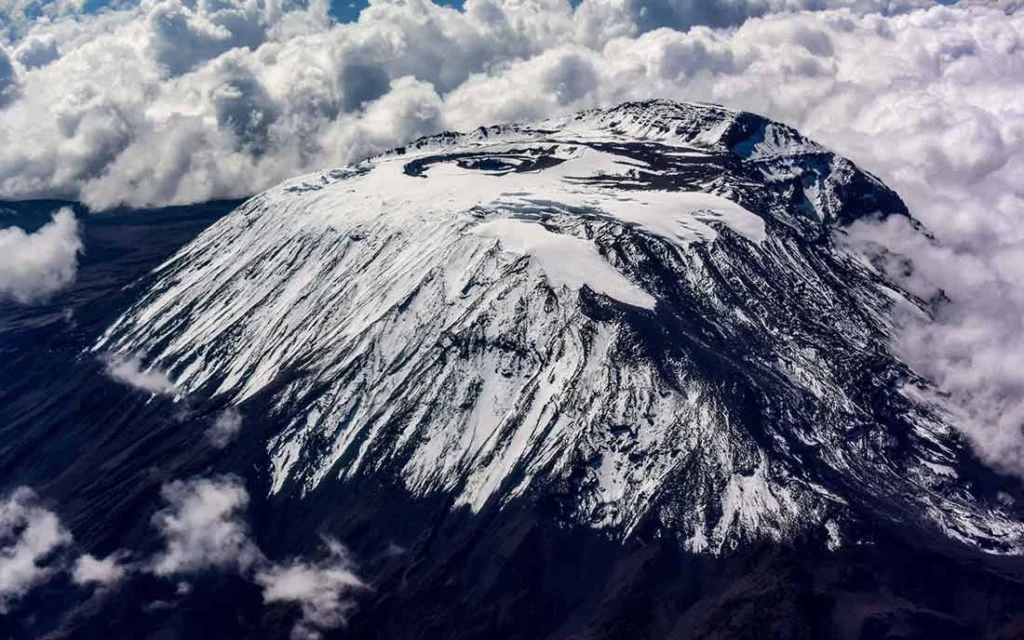
Mount Kilimanjaro rises to 5,895 meters (19,341 ft) in just a few days. Unlike other high mountains, climbers gain altitude rapidly without extended rest periods—making acclimatization essential.
This is why preventing altitude sickness on Kilimanjaro depends more on strategy than physical fitness.
✅ Best Ways to Prevent Altitude Sickness on Kilimanjaro
🐢 1. Walk Slowly (Pole Pole)
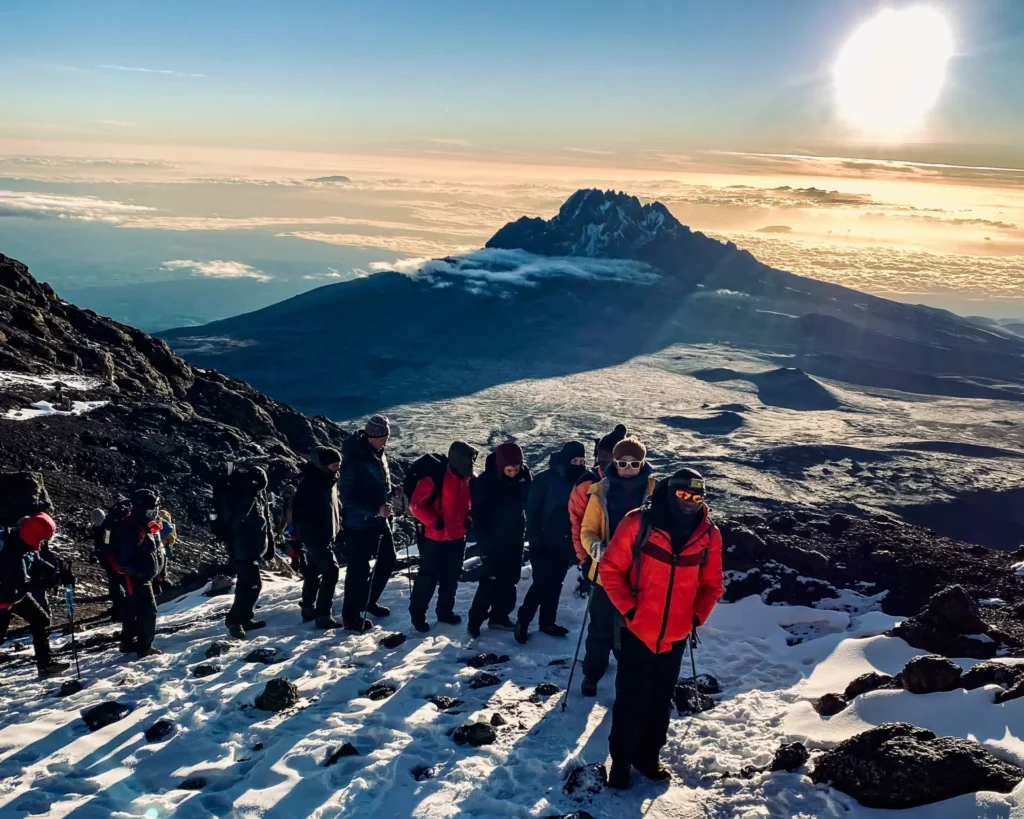
The most effective prevention method is walking slowly. Guides follow the “pole pole” (slow, slow) pace to allow your body time to adapt.
Even if you feel strong early on—slow down.
🗓️ 2. Choose a Longer Route
Routes with more days provide better acclimatization.
Best routes for altitude adaptation:
Northern Circuit
Lemosho Route
Machame Route (7 days)
Avoid rushed itineraries whenever possible.
🧗 3. Climb High, Sleep Low
Routes that allow you to climb higher during the day and sleep at lower elevations improve oxygen adaptation and reduce AMS risk.
💧 4. Stay Well Hydrated
Drink 3–4 liters of water per day. Dehydration worsens altitude symptoms and slows recovery.
🍽️ 5. Eat Enough Calories
Even if you lose appetite, eat regularly. Carbohydrates help maintain energy and support acclimatization.
🛌 6. Rest & Sleep Properly
Quality rest allows your body to recover. Avoid overexertion, especially on summit night.
💊 7. Consider Preventive Medication (If Recommended)
Some climbers use Diamox (Acetazolamide) under medical guidance. Always consult your doctor before using altitude medication.
7. Use Diamox (Optional but Helpful)
Diamox (Acetazolamide) improves acclimatization by increasing breathing rate.
Common dose:
125mg–250mg twice a day
(Always consult your doctor before using it.)
👨⚕️ How Guides Help Prevent Altitude Sickness
Professional Kilimanjaro guides perform:
Daily oxygen saturation checks
Health questionnaires
Continuous symptom monitoring
Emergency response if needed
This proactive monitoring plays a major role in safe summit attempts.
🚨 When to Descend Immediately
Immediate descent is required if symptoms worsen or include:
Severe headache
Confusion or loss of coordination
Persistent vomiting
Chest tightness
On Kilimanjaro, descending is the fastest treatment for altitude sickness.
🥇 Best Routes for Preventing Altitude Sickness
| Route | Acclimatization Level |
|---|---|
| Northern Circuit | Excellent |
| Lemosho Route | Very Good |
| Machame Route (7 days) | Very Good |
| Marangu Route | Moderate |
| Umbwe Route | Poor |
🏁 Final Tips for a Safe Kilimanjaro Climb
✔ Choose the right route
✔ Walk slowly from day one
✔ Drink and eat consistently
✔ Listen to your guides
✔ Never ignore symptoms
Preventing altitude sickness on Kilimanjaro is about patience, preparation, and professional support.
 English
  Dutch
Dutch  French
  Czech
Czech  Spanish
  German
  Polish
  Italian
  Chinese
  Russian