
When planning a Mount Kilimanjaro trek, one of the most important things to understand is acclimatization.
You may notice that some Kilimanjaro itineraries include an additional acclimatization day while others continue climbing every day. For first-time trekkers, this can raise an important question:
What actually happens during an acclimatization day on Kilimanjaro?
An acclimatization day is not necessarily a day spent sitting inside a tent doing nothing. Depending on the route and itinerary, it may involve a shorter hike to a higher elevation, time to rest at camp, eating, hydrating, and allowing your body to adjust before continuing higher.
This guide explains how acclimatization works, why additional days can be useful, and what trekkers should expect during an acclimatization day on Kilimanjaro.
What Is Acclimatization?
Acclimatization is the process by which your body gradually adjusts to lower oxygen availability at higher elevations.
As you climb higher, atmospheric pressure decreases and there is less oxygen available with each breath.
Your body needs time to adapt.
This is why ascending Mount Kilimanjaro too quickly can increase the likelihood of altitude-related problems.
Acclimatization is therefore one of the most important considerations when selecting your route and itinerary.
Why Is Acclimatization Important on Kilimanjaro?
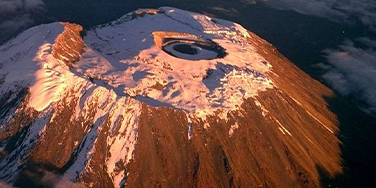
Mount Kilimanjaro rises to 5,895 meters (19,341 feet) above sea level.
The difference between hiking at sea level and trekking near the summit is enormous.
At higher elevations, your body may respond with symptoms such as:
- Headache
- Fatigue
- Dizziness
- Reduced appetite
- Nausea
- Difficulty sleeping
- Shortness of breath
Not everyone experiences the same symptoms, and physical fitness does not guarantee immunity from altitude-related illness.
The best approach is to ascend responsibly and communicate openly with your guides.
What Happens During a Kilimanjaro Acclimatization Day?
An acclimatization day can vary depending on the route and itinerary.
A typical day may include:
1. A Shorter Morning Hike
Instead of completing a full trekking day, you may hike for a shorter period.
The objective is not necessarily to cover a large distance.
The goal is to expose your body to a higher elevation while keeping the overall physical workload manageable.
2. Returning to Camp
After reaching the planned elevation, the group may return to camp.
This can provide an opportunity to follow the “climb high, sleep low” principle where the itinerary allows it.
3. Rest and Recovery
The remaining time may be used for:
- Resting
- Eating
- Hydrating
- Checking equipment
- Preparing for the following day
- Monitoring how your body feels
4. Guide Assessment
Your guides can monitor your condition and ask about symptoms.
If you are experiencing unusual or worsening symptoms, tell your guide immediately.
Does an Acclimatization Day Mean You Do Not Walk?
Not necessarily.
The term “rest day” can be misleading.
On some Kilimanjaro itineraries, an acclimatization day still involves several hours of walking.
The difference is that the day may be designed around altitude adaptation rather than simply maximizing distance.
Depending on the itinerary, you might:
Camp → Hike Higher → Return to Camp → Rest
This can provide both physical recovery and additional exposure to altitude.
What Is “Climb High, Sleep Low”?
Climb high, sleep low is a commonly used acclimatization strategy.
The basic idea is:
Trek to a higher elevation during the day and return to a lower elevation to sleep when the itinerary permits.
This exposes the body to higher altitude while allowing you to sleep at a relatively lower elevation.
Not every Kilimanjaro day follows this exact pattern, but certain route itineraries incorporate elevation profiles designed to support acclimatization.
Your guide and operator should determine the appropriate daily pace and itinerary based on the route.
How Many Acclimatization Days Do You Need on Kilimanjaro?
There is no universal number that works for every climber.
The appropriate amount of acclimatization depends on factors such as:
- Route
- Number of trekking days
- Daily elevation gain
- Previous altitude experience
- Individual response to altitude
- Overall itinerary design
In general, longer itineraries provide more time for gradual altitude adaptation than very short climbs.
This is one reason route selection should not be based solely on price or the number of days.
Which Kilimanjaro Routes Offer Better Acclimatization Opportunities?
Different routes have different elevation profiles.
Lemosho Route
Lemosho offers longer itinerary options and a gradual approach to the upper mountain.
It is often considered a strong choice for trekkers who want more time for altitude adaptation.
Machame Route
Machame also offers longer itinerary options and varied terrain.
Some itineraries provide opportunities for elevation gain and subsequent lower sleeping elevations.
Northern Circuit
The Northern Circuit is known for its longer itinerary options and extended approach around the mountain.
This gives trekkers more time on the mountain before reaching the summit.
Marangu Route
Marangu can be completed in relatively fewer days, depending on the itinerary.
Because shorter itineraries provide less time for adaptation, selecting a longer version can be worth considering.
Umbwe Route
Umbwe is known for its steep and direct ascent.
Its faster elevation gain makes careful itinerary planning particularly important.
Can You Acclimatize Faster If You Are Very Fit?
Not necessarily.
Fitness and acclimatization are two different things.
A very fit athlete can still experience altitude-related symptoms.
Being physically fit can help you manage the physical demands of trekking, but it does not mean your body automatically adapts to reduced oxygen availability faster.
This is why experienced climbers still need to respect altitude.
Final Thoughts
Acclimatization is not simply about taking a day off.
It is about giving your body the time and conditions it needs to adjust to increasing altitude.
A well-designed Kilimanjaro itinerary combines gradual elevation gain, appropriate pacing, rest, hydration, nutrition, and continuous monitoring.
If you’re planning your first Kilimanjaro trek, don’t choose your itinerary based only on the number of days or the price.
Consider how the route approaches the mountain, how quickly it gains elevation, and whether the itinerary provides enough time for your body to adapt.
The goal isn’t to reach altitude as quickly as possible — it’s to reach the summit safely and give yourself the best possible trekking experience.

 English
  Dutch
Dutch  French
  Czech
Czech  Spanish
  German
  Polish
  Italian
  Chinese
  Russian