
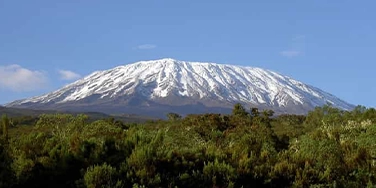
Climbing Mount Kilimanjaro is one of the most popular adventure goals in the world. Many first-time climbers wonder: How hard is it to climb Kilimanjaro if you are a beginner?
The short answer is that Kilimanjaro is challenging but achievable for beginners. It does not require technical climbing skills, but the high altitude, long trekking days, and summit night make it physically and mentally demanding.
With the right preparation, proper acclimatization, and experienced guides, thousands of beginners successfully reach the summit every year.
Quick Answer
Kilimanjaro is challenging but achievable for beginners because it is a non-technical trek. The biggest difficulty comes from altitude, multi-day hiking, and summit night, not climbing skills.
Is Kilimanjaro Hard for Beginners?
For most people, Kilimanjaro is moderately difficult.
The climb is considered a high-altitude trek rather than a technical mountain climb. This means you do not need ropes, climbing equipment, or mountaineering experience.
However, beginners may still find it challenging due to:
High altitude and lower oxygen levels
Hiking for several days in a row
Cold temperatures near the summit
The physically demanding summit night
Even so, many first-time climbers complete the trek successfully each year.
Do You Need Mountaineering Experience to Climb Kilimanjaro?
No, you do not need mountaineering experience to climb Kilimanjaro.
Unlike mountains such as Everest or Denali, Kilimanjaro is a non-technical climb. It is essentially a long-distance hike that takes place at high altitude.
Most climbers only need:
Basic hiking ability
Good overall fitness
Proper preparation before the trek
This makes Kilimanjaro one of the most accessible high mountains in the world for beginners.
Why Is Climbing Kilimanjaro Difficult?
1. High Altitude
The biggest challenge of Kilimanjaro is altitude.
At the summit (5,895 meters / 19,341 feet), the oxygen level is significantly lower than at sea level. This can lead to altitude sickness, which may cause symptoms such as:
Headaches
Nausea
Fatigue
Shortness of breath
Proper acclimatization and a slow trekking pace help reduce these risks.

2. Multi-Day Trekking
Most Kilimanjaro routes take 6 to 9 days to complete.
During this time, climbers hike several hours each day while gradually gaining elevation. The long duration of the trek can be physically tiring, especially for beginners who are not used to multi-day hiking.
3. Summit Night
The most challenging part of the climb is usually summit night.
Climbers start the final ascent around midnight and hike for several hours in cold temperatures to reach the summit at sunrise.
Challenges on summit night include:
Very cold temperatures
Thin air at high altitude
Steep terrain
Mental fatigue
Despite the difficulty, reaching the summit is an unforgettable achievement.
How Fit Do You Need to Be to Climb Kilimanjaro?
You do not need to be an athlete, but you should have good basic fitness.
Most climbers prepare by doing activities such as:
Hiking or long walks
Running or cycling
Strength training for legs and core
Hiking with a backpack
Training for 8–12 weeks before the climb can make the experience much easier and more enjoyable.
Which Kilimanjaro Route Is Best for Beginners?
Choosing the right route can significantly affect how difficult the climb feels.
Some routes offer better acclimatization and higher success rates, making them ideal for beginners.
Popular beginner-friendly routes include:
Lemosho Route
One of the most scenic routes with excellent acclimatization and high summit success rates.
Machame Route
A popular and scenic route that provides good altitude adjustment when climbed over 7 days.
Northern Circuit Route
The longest route on the mountain with the best acclimatization profile and highest success rates.
Longer routes usually make the climb easier because they allow the body more time to adjust to altitude.
Tips to Make Climbing Kilimanjaro Easier
Beginners can improve their chances of success by following a few important tips.
Choose a longer itinerary
More days on the mountain improve acclimatization.
Walk slowly
Guides often say “pole pole,” which means “slowly slowly” in Swahili.
Stay hydrated
Climbers should drink about 3–4 liters of water per day.
Train before the climb
Regular hiking and cardio training help build endurance.
Climb with experienced guides
Professional guides monitor health and pace to ensure climbers stay safe.
What Is the Success Rate for Beginners?
Kilimanjaro has a relatively high success rate compared to many major mountains.
Success depends on factors such as:
Route selection
Trek duration
Acclimatization
Physical preparation
Longer routes such as Lemosho and Northern Circuit tend to have the highest success rates because they allow climbers more time to adjust to altitude.
FAQ's
1. Can a beginner climb Mount Kilimanjaro?
2. How long does it take to climb Kilimanjaro?
3. Do you need training to climb Kilimanjaro?
4. What is the hardest part of climbing Kilimanjaro?
5. What is the success rate of climbing Kilimanjaro?
Final Answer: Is Kilimanjaro Hard to Climb for Beginners?
Climbing Kilimanjaro is challenging but achievable for beginners.
It does not require technical climbing skills, but the altitude and multi-day trekking make it physically demanding. With proper training, a well-planned itinerary, and experienced guides, many beginners successfully reach the summit each year.
For those looking for a first high-altitude adventure, Kilimanjaro remains one of the most rewarding trekking experiences in the world
Written by: Khuwaja Muhammad Mubarak
WordPress Developer & SEO Specialist at Hashtech Creative
View Author Profile
 English
  Dutch
Dutch  French
  Czech
Czech  Spanish
  German
  Polish
  Italian
  Chinese
  Russian